20 Best Safari Lodges and Luxury Camps in Kenya and East Africa

 Where to Stay for an Unforgettable African Safari

A safari is not only about the animals you see. Where you stay can completely change the way you experience Africa.

Imagine waking up to elephants moving across the plains, watching the sunset from a private veranda overlooking the savannah, enjoying dinner beside a campfire under a sky filled with stars, or falling asleep to the distant sound of lions calling in the wilderness.

This is what makes safari accommodation in Kenya and East Africa so special.

From luxury tented camps in the Maasai Mara to elephant-filled landscapes around Amboseli, remote camps in Samburu, conservation-focused lodges in Laikipia, and spectacular properties in Tanzania, Uganda and Rwanda, East Africa offers accommodation for almost every type of traveler.

The best safari lodge is not necessarily the most expensive one. The right property depends on location, wildlife, activities, accommodation style, privacy, accessibility, food, guiding, conservation programs and the type of safari you want to experience.

Below are 20 exceptional accommodation options and accommodation styles to consider when planning a Kenya or East Africa safari.


1. Angama Mara – Maasai Mara, Kenya

Few safari accommodations capture the drama of the Maasai Mara quite like Angama Mara.

Perched high above the Mara ecosystem, the property is known for spectacular views over the surrounding plains. Its elevated position gives guests an extraordinary perspective of the landscape associated with one of Africa’s most famous safari destinations.

Why stay here?

Angama Mara is particularly attractive to travelers looking for a luxury honeymoon, romantic safari or once-in-a-lifetime Kenya experience.

The major attraction is not simply the room. It is the combination of:

  • Exceptional Mara views
  • Luxury accommodation
  • Personalized service
  • Gourmet dining
  • Wildlife experiences
  • Romantic private dining
  • Guided safari activities
  • Photography opportunities
  • A secluded atmosphere

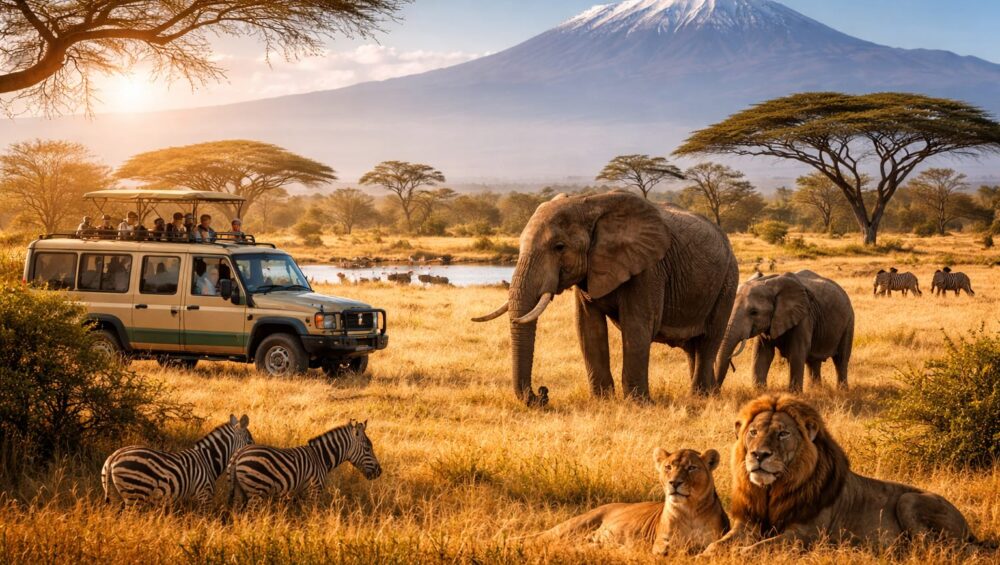
The Maasai Mara itself is famous for predators, elephants, giraffes, buffalo and other wildlife, while the annual wildebeest migration makes the ecosystem particularly famous.

For honeymooners, the property can form part of a tailor-made Kenya honeymoon safari combining the Mara with Amboseli and the Kenyan coast.


2. Mara Plains Camp – Maasai Mara Conservancies, Kenya

Mara Plains Camp is an excellent choice for travelers who want an intimate, high-end safari experience away from the feeling of a large hotel.

Its location within the private conservancy environment is one of its major advantages.

Private conservancies can offer experiences that differ from those inside the main national reserve, depending on the specific conservancy rules. These can include activities such as night drives and walking experiences where permitted.

Major perks

Travelers choosing an intimate luxury camp can enjoy:

  • Smaller guest numbers
  • Personalized service
  • Expert guiding
  • Flexible safari experiences
  • Excellent wildlife viewing
  • Luxury tented accommodation
  • Strong photography opportunities
  • A quieter atmosphere

This makes Mara Plains particularly appealing to wildlife photographers, couples, luxury travelers and repeat safari visitors.

Traveler discussions frequently compare Mara Plains with other luxury camps in the same conservancy, with guiding, privacy and the quality of the overall safari experience being major considerations.


3. Cottar’s 1920s Safari Camp – Maasai Mara, Kenya

For travelers who love the romance of classic African safari history, Cottar’s 1920s Safari Camp offers a distinctive experience.

The camp combines traditional safari character with modern luxury.

Rather than feeling like a conventional hotel placed in a wildlife destination, the experience is designed around the atmosphere of an old-fashioned African safari.

Perks can include

  • Luxury tented accommodation
  • Personalized service
  • Classic safari atmosphere
  • Private dining experiences
  • Bush activities
  • Professional guiding
  • Excellent access to the Mara ecosystem
  • Romantic experiences for couples

It is particularly attractive to travelers looking for a luxury honeymoon safari or an elegant traditional safari experience.


4. Tortilis Camp – Amboseli, Kenya

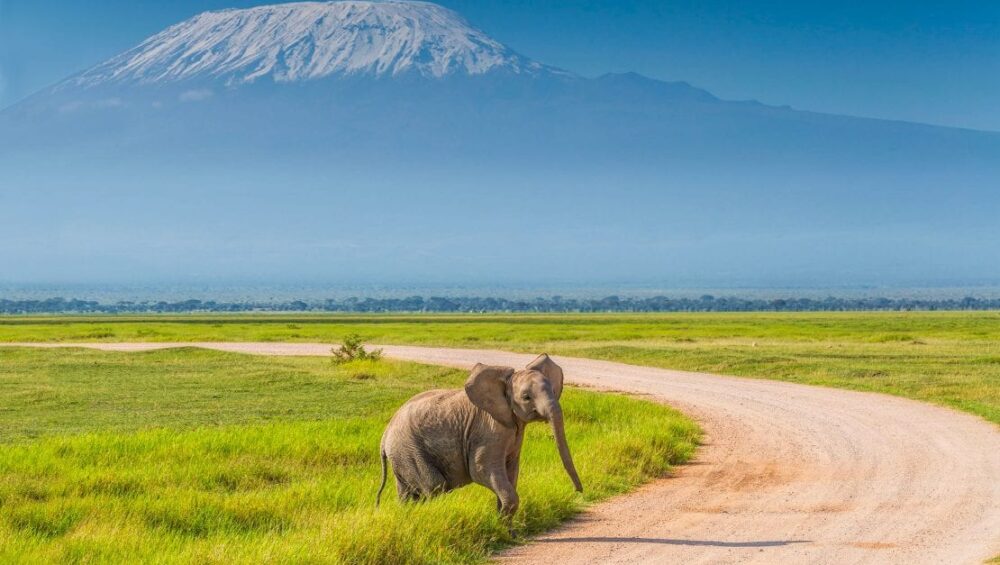
Amboseli is one of Kenya’s most recognizable safari destinations, particularly because of its elephants and spectacular views toward Mount Kilimanjaro.

Tortilis Camp is therefore an excellent accommodation choice for travelers who want their safari accommodation to complement the scenery.

The property provides a classic tented-camp experience while giving travelers access to the Amboseli ecosystem.

Why Amboseli accommodation is special

A stay in Amboseli can offer:

  • Elephant encounters
  • Kilimanjaro views
  • Open savannah landscapes
  • Birdwatching
  • Cultural experiences
  • Game drives
  • Guided nature experiences where available
  • Bush breakfasts and sundowners at selected properties

Amboseli is also an excellent addition to a Maasai Mara safari.

Recent traveler discussions show that visitors frequently debate whether to combine the Mara with Amboseli or Samburu, with Amboseli often appealing because of its elephants, Kilimanjaro scenery and relatively straightforward safari combinations.


5. Sasaab – Samburu, Kenya

Samburu offers a dramatically different landscape from the Maasai Mara.

Instead of endless green-gold plains, visitors encounter rugged mountains, dry landscapes, riverine environments and distinctive northern Kenya wildlife.

Sasaab provides a luxury base for exploring this region.

What makes it special?

The accommodation combines luxury with strong cultural and conservation elements.

Potential experiences include:

  • Game drives
  • Samburu cultural experiences
  • Walking activities
  • Camel experiences
  • Wildlife photography
  • Spa and relaxation
  • Family-friendly accommodation options
  • Scenic views over the surrounding landscape

Samburu is particularly interesting for travelers who have already visited the Mara and want to experience a completely different side of Kenya.

Sasaab has also been highlighted for its cultural experiences and community connections, making it more than simply a place to sleep between game drives.


6. Lewa Safari Camp – Lewa Wildlife Conservancy, Kenya

Lewa is one of Kenya’s most important conservation landscapes and is particularly attractive to travelers interested in rhinos and conservation.

Lewa Safari Camp offers visitors the opportunity to combine comfortable safari accommodation with the chance to explore a private conservancy environment.

Ideal for

Lewa is particularly suitable for:

  • Wildlife enthusiasts
  • Families
  • Conservation travelers
  • Photographers
  • Couples
  • Travelers wanting a less crowded safari experience

Activities may include game drives, guided walks and other conservancy-based experiences depending on conditions and regulations.

The region is also known for its rhino conservation work.

For travelers who want their holiday to contribute to conservation, choosing accommodation within a well-managed conservancy can add another meaningful dimension to the safari.


7. Ol Pejeta Bush Camp – Laikipia, Kenya

Ol Pejeta is one of Kenya’s best-known conservation areas and an excellent destination for travelers who want more than conventional game drives.

A stay in the Laikipia region can be particularly rewarding for travelers interested in conservation, rhinos and wildlife management.

Accommodation perks

Depending on the property and package, travelers can enjoy:

  • Comfortable tented accommodation
  • Guided game drives
  • Conservation experiences
  • Rhino-focused activities
  • Walking experiences
  • Bush meals
  • Family-friendly safari experiences

Ol Pejeta can also be combined with Samburu or Maasai Mara.

For a traveler planning a 7-day Kenya safari, for example, a route incorporating Laikipia, Samburu and Maasai Mara can provide much more variety than spending the entire trip in one ecosystem.


8. Finch Hattons Luxury Tented Camp – Tsavo West, Kenya

Tsavo provides a completely different safari experience from the Maasai Mara.

Tsavo West is characterized by dramatic volcanic landscapes, rocky terrain, springs and enormous wilderness areas.

Finch Hattons is one of the region’s best-known luxury tented accommodation options.

Why travelers choose Tsavo West

A Tsavo safari can offer:

  • Large elephant populations
  • Dramatic landscapes
  • Mzima Springs
  • Rhino conservation areas
  • Big wilderness scenery
  • Fewer crowds in some areas
  • Easy combination with the Kenyan coast

Finch Hattons is particularly suitable for travelers who want luxury in a remote wilderness environment.

Tsavo is also strategically useful for travelers combining a safari with Mombasa or Diani Beach.

Current accommodation guides identify Finch Hattons among the leading luxury options in Tsavo West, alongside properties such as Kilaguni Serena and Severin Safari Camp.


9. Kilaguni Serena Safari Lodge – Tsavo West, Kenya

Not every traveler wants an ultra-luxury tented camp.

Some prefer a traditional safari lodge with established hotel-style facilities.

Kilaguni Serena Safari Lodge is a classic example.

It is positioned within Tsavo West and is particularly known for its proximity to a waterhole, making it possible for guests to combine accommodation with wildlife viewing around the lodge.

Advantages

  • Traditional lodge accommodation
  • Convenient access to Tsavo West
  • Wildlife viewing near the property
  • Swimming pool
  • Restaurant facilities
  • Suitable for families and couples
  • Good option for road safaris
  • Convenient for travelers heading toward the coast

It can work particularly well in a Nairobi–Amboseli–Tsavo–Mombasa itinerary.


10. Sarova Salt Lick Game Lodge – Taita Hills, Kenya

For travelers looking for something unusual, Salt Lick offers a very different accommodation concept.

The lodge is built around an elevated design that allows guests to look across the surrounding wildlife environment.

This can be especially appealing to families and travelers who enjoy the idea of watching wildlife from the accommodation itself.

Highlights

  • Elevated lodge architecture
  • Wildlife viewing
  • Swimming pool
  • Family-friendly facilities
  • Game drives
  • Restaurant and dining facilities
  • Convenient connection between Tsavo and the Kenyan coast

It can be included in road-trip itineraries traveling between Nairobi, Tsavo and Mombasa.


11. Elsa’s Kopje – Meru National Park, Kenya

Meru National Park is sometimes overlooked by first-time safari travelers who focus almost exclusively on the Maasai Mara.

That can be a mistake.

Meru offers spectacular landscapes, wildlife and a quieter safari atmosphere.

Elsa’s Kopje is built into the rocky landscape overlooking parts of the park and offers travelers an opportunity to experience this less crowded part of Kenya.

Best for

  • Luxury safari travelers
  • Couples
  • Repeat Kenya visitors
  • Conservation enthusiasts
  • Travelers seeking quieter destinations
  • Photography

The Meru region is particularly attractive to travelers who want to get away from the more heavily visited safari circuits.


12. Saruni Samburu – Samburu, Kenya

Saruni Samburu is another excellent option for travelers wanting to explore northern Kenya.

Its architectural style and dramatic location make the accommodation itself part of the experience.

The Samburu experience

A stay in Samburu can combine:

  • Game drives
  • Mountain scenery
  • Cultural experiences
  • Walking safaris
  • Photography
  • Birdwatching
  • Wildlife viewing
  • Relaxation

Samburu is especially attractive for travelers who want to see wildlife in an environment that looks and feels very different from the Mara.

It works well as part of a Kenya northern circuit safari, potentially combined with Laikipia, Lewa and Maasai Mara.


13. The Manor at Ngorongoro – Tanzania

Crossing into Tanzania opens up an entirely different collection of safari accommodation.

The Ngorongoro Conservation Area is one of the world’s most famous wildlife destinations, and accommodation around the crater can provide an unforgettable setting.

The Manor at Ngorongoro is designed around a distinctive estate-style experience.

Why include Ngorongoro?

A Tanzania safari can combine:

  • Ngorongoro Crater
  • Serengeti
  • Tarangire
  • Lake Manyara
  • Kilimanjaro region
  • Zanzibar

Ngorongoro is particularly useful in itineraries traveling between Tarangire and the Serengeti.

A Kenya-Tanzania itinerary can therefore combine the Maasai Mara and Serengeti ecosystems with Ngorongoro.


14. Serengeti Migration Camp – Tanzania

For travelers visiting Tanzania specifically for the Serengeti, accommodation location is extremely important.

The Serengeti is enormous, meaning that choosing accommodation in the wrong part of the ecosystem can significantly affect driving times and the type of wildlife experience available.

Serengeti Migration Camp is designed around the mobile and seasonal nature of safari travel.

Major advantages of Serengeti accommodation

Travelers can experience:

  • Classic tented accommodation
  • Game drives
  • Large open landscapes
  • Predator viewing
  • Wildebeest and zebra
  • Seasonal migration experiences
  • Bush dining
  • Exceptional photography opportunities

When planning a Serengeti safari, ask your tour operator where the camp will be located during your travel dates and why that location makes sense for your itinerary.

The same principle applies to Kenya’s Maasai Mara: the location of your accommodation can influence the quality and efficiency of your daily safari.


15. Tarangire Treetops – Tanzania

Tarangire is one of Tanzania’s most interesting safari destinations and is particularly famous for elephants and dramatic baobab landscapes.

A stay at Tarangire Treetops can therefore provide a safari experience that feels completely different from the Serengeti.

Why visit Tarangire?

The park is especially attractive for:

  • Elephant viewing
  • Baobab scenery
  • Birdwatching
  • Photography
  • Family safaris
  • Private safaris
  • Combining with Ngorongoro and Serengeti

Tanzania’s official park information describes Tarangire as a major wildlife destination with large elephant populations and distinctive baobab landscapes.


16. Arusha Coffee Lodge – Tanzania

Not every night of a safari needs to be spent in the middle of a national park.

Arusha is an important gateway for northern Tanzania safaris, and a comfortable lodge in the area can be ideal before or after a longer safari.

Arusha accommodation is useful for:

  • Arrival nights
  • Departure nights
  • Rest between safari destinations
  • Travelers arriving late
  • Travelers departing early
  • Pre-safari briefings
  • Combining city and safari experiences

Arusha can be used as the starting point for itineraries covering Tarangire, Ngorongoro and Serengeti.


17. Lemala properties – Tanzania and Uganda

For travelers looking at a wider East African itinerary, a collection of properties across several safari destinations can simplify accommodation planning.

Lemala operates properties across northern Tanzania and Uganda, including destinations around Arusha, Tarangire, Ngorongoro, Serengeti and the Nile.

This demonstrates an important advantage of working with an experienced tour operator: accommodation can be selected according to the entire itinerary rather than simply choosing the most famous lodge.

For example, a traveler might combine:

Arusha → Tarangire → Ngorongoro → Serengeti

and select accommodation according to the best location for each stage of the route.


18. Luxury Safari Camps in Bwindi – Uganda

Uganda introduces a different dimension to an East African holiday.

Instead of focusing only on classic savannah game drives, travelers can combine wildlife safaris with mountain gorilla trekking.

Bwindi Impenetrable National Park is one of the world’s important mountain gorilla habitats.

Accommodation near Bwindi ranges from comfortable lodges to high-end forest properties.

Why stay near Bwindi?

A gorilla safari requires practical planning.

Travelers should consider:

  • Distance from the trekking sector
  • Road access
  • Trekking start time
  • Accommodation comfort
  • Meals
  • Porter arrangements
  • Walking requirements
  • Weather
  • Number of nights

Gorilla trekking can take several hours, and Uganda Wildlife Authority advises that tracking experiences can last approximately 2–7 hours depending on conditions and the location of the gorilla group.

Therefore, accommodation location is not merely a luxury consideration—it can directly affect the logistics of the experience.


19. Luxury Accommodation Around Volcanoes National Park – Rwanda

Rwanda offers another premium East African gorilla experience around Volcanoes National Park.

The area is famous for mountain gorilla trekking and dramatic volcanic landscapes.

For travelers choosing accommodation here, proximity to the trekking area, comfort and quality of guiding are important considerations.

Rwanda’s tourism authority recommends advance planning for gorilla trekking, with the standard gorilla permit currently listed at US$1,500 per person for international visitors, while age and eligibility conditions apply.

Why choose Rwanda?

A Rwanda itinerary can combine:

  • Kigali
  • Volcanoes National Park
  • Gorilla trekking
  • Cultural experiences
  • Scenic mountain landscapes
  • Luxury accommodation

It can also be combined with Uganda for travelers who want to experience more than one side of the Great Lakes region.


20. Bush-and-Beach Accommodation – Kenya, Tanzania and Zanzibar

One of the best accommodation combinations in East Africa isn’t a single lodge.

It is a bush-and-beach safari itinerary.

Imagine spending several nights in a luxury tented camp watching lions and elephants, then flying to the Indian Ocean and spending several days in a beachfront resort.

This combination can work beautifully for:

  • Honeymoons
  • Anniversaries
  • Couples
  • Families
  • Luxury vacations
  • First-time Africa travelers

Popular combinations include:

Maasai Mara + Diani Beach

A classic Kenya safari followed by a relaxing beach holiday.

Amboseli + Tsavo + Diani

Excellent for travelers wanting elephants, landscapes and the Kenyan coast.

Maasai Mara + Zanzibar

A popular Kenya-Tanzania combination followed by an island escape.

Serengeti + Zanzibar

One of the strongest Tanzania bush-and-beach combinations.

Kenya + Tanzania + Zanzibar

Ideal for travelers with more time who want to experience several of East Africa’s signature destinations.


What Perks Should You Look for When Choosing Safari Accommodation?

Choosing accommodation should involve more than looking at photographs.

Different lodges and camps offer different experiences, so travelers should compare the perks and inclusions carefully.

Private Game Drives

Some safari properties allow or encourage private vehicles, while others operate scheduled shared activities.

If privacy is important, ask your tour operator whether the vehicle is exclusive to your group.


Night Game Drives

Night drives can provide a completely different perspective of the African bush.

You may encounter nocturnal species and observe animals behaving differently from during daytime game drives.

However, night drives are dependent on where you are staying and local conservation-area rules. They are not automatically permitted inside every national park.


Walking Safaris

Walking can transform the safari experience.

Instead of simply looking for large animals from a vehicle, travelers learn about:

  • Animal tracks
  • Plants
  • Insects
  • Birds
  • Smaller wildlife
  • Bush survival
  • Local ecology

Where available and permitted, walking experiences can be particularly valuable in private conservancies.


Bush Breakfasts and Sundowners

These are among the simple luxuries that can make a safari memorable.

A bush breakfast allows guests to dine outdoors in a carefully managed wilderness setting.

A sundowner typically involves stopping at a scenic location in the late afternoon to watch the sun go down.

These experiences are particularly popular with couples and honeymooners.


Private Dining

Luxury safari properties may offer private meals in special locations.

For a honeymoon or anniversary, this can include:

  • Bush dinners
  • Private breakfasts
  • Candlelit meals
  • Special celebration cakes
  • Champagne-style celebrations where appropriate
  • Romantic room arrangements

These extras should be requested during the booking process.


Swimming Pools

A swimming pool can be more important than travelers realize.

Safari days can involve early mornings, dusty roads and long game drives.

A pool provides a place to relax during the hottest part of the afternoon.

For families, it can also provide children with something to do between safari activities.


Spa and Wellness

Luxury safari camps increasingly offer spa and wellness services.

These can be especially attractive after several days of driving and early-morning game drives.

Couples booking honeymoons may want to ask whether massage or wellness treatments are available.


Family Suites

Families should not automatically book two standard rooms.

Ask about:

  • Family tents
  • Family suites
  • Interconnecting rooms
  • Extra beds
  • Child meal options
  • Babysitting
  • Child-friendly activities
  • Age restrictions

Family accommodation can make a significant difference to the comfort of the entire safari.


Budget, Mid-Range or Luxury: Which Safari Accommodation Should You Choose?

There is no universal answer.

Budget Safari Accommodation

Best for travelers who want to spend more of their money on safari activities and less on accommodation.

Budget does not necessarily mean a bad safari.

A well-planned budget itinerary can still provide excellent wildlife experiences.


Mid-Range Safari Accommodation

Mid-range accommodation is often the sweet spot for many travelers.

It can provide:

  • Comfortable rooms or tents
  • Private bathrooms
  • Good meals
  • Swimming pools at some properties
  • Quality service
  • Excellent wildlife access

For travelers who want comfort without the highest luxury prices, this category is worth considering.


Luxury Safari Accommodation

Luxury accommodation is about much more than having a large room.

The premium can include:

  • Better locations
  • Fewer guests
  • Personalized service
  • Private dining
  • Exclusive experiences
  • High-quality guiding
  • Spa facilities
  • Private pools
  • Better room design
  • Special honeymoon arrangements

Some luxury camps also operate in private conservancies where guests can access experiences that may not be available in the main national parks.


How to Choose the Best Accommodation for Your Kenya Safari

The most important question is not:

“What is the most expensive lodge?”

Instead ask:

“Which accommodation gives me the best experience for the safari I want?”

A honeymoon couple may prioritize privacy and romantic experiences.

A family may prioritize family rooms, swimming pools and shorter driving distances.

A photographer may prioritize private vehicles, flexible game drives and excellent wildlife locations.

A budget traveler may prioritize comfortable accommodation close to the park while keeping the overall package affordable.

A conservation-minded traveler may prefer a property supporting local communities and wildlife conservation.

The accommodation should therefore be selected after the itinerary has been designed, not independently of it.


Why Location Matters More Than the Room

One of the biggest mistakes travelers make is choosing accommodation based entirely on photographs.

A beautiful lodge located far from the area they want to explore may create long transfer times.

Safari travel involves real distances.

Kenya’s parks and conservancies are not theme parks positioned next to one another. Moving between destinations can consume several hours, particularly by road.

Recent traveler discussions repeatedly highlight the importance of avoiding overly ambitious itineraries that try to fit too many destinations into a few days.

For example, if you have six days, it may be better to spend meaningful time in two or three ecosystems rather than spend most of the holiday driving between four or five.


Let Orange Adventures Build Your Kenya or East Africa Safari Around the Right Accommodation

The ideal East African safari starts with your travel goals.

At Orange Adventures, a safari can be structured around your preferred:

  • Accommodation category
  • Budget
  • Travel dates
  • Safari destinations
  • Number of travelers
  • Wildlife interests
  • Vehicle type
  • Activities
  • Meal preferences
  • Honeymoon requirements
  • Family requirements
  • Private or group travel preferences

For example, a traveler could request a 4-day Maasai Mara safari, a 7-day Kenya wildlife safari, a Kenya and Tanzania safari, a Kenya safari followed by Zanzibar, or a much longer East African journey covering Kenya, Tanzania, Uganda and Rwanda.

The accommodation can then be selected to match the route.

This is particularly important for multi-country itineraries because flights, border crossings, park access, accommodation and special permits may all need to be coordinated.


Final Thoughts

The best safari accommodation in Kenya and East Africa is the property that makes your entire journey better.

Sometimes that means a luxury tent overlooking the Maasai Mara.

Sometimes it means waking up beneath the shadow of Mount Kilimanjaro in Amboseli.

Sometimes it means staying in a conservation-focused camp in Laikipia or exploring the rugged landscapes of Samburu.

And sometimes the perfect safari ends with several days beside the Indian Ocean in Diani or Zanzibar.

East Africa gives travelers an extraordinary range of choices.

From budget safari camps and comfortable lodges to intimate luxury tented camps and ultra-exclusive wilderness properties, there is accommodation for almost every type of traveler.

The key is to match the accommodation with the destination, season, safari activities, budget and purpose of the trip.

For a first safari, a well-designed Maasai Mara and Amboseli itinerary can be an excellent introduction to Kenya.

For a longer Kenya safari, adding Samburu, Laikipia, Lake Nakuru or Tsavo can provide greater ecological and wildlife diversity.

For an East African adventure, combining Kenya and Tanzania opens the door to the Maasai Mara, Serengeti, Ngorongoro and Tarangire.

And for travelers looking for the ultimate African holiday, adding Uganda gorilla trekking, Rwanda or an Indian Ocean beach extension can transform a safari into a truly unforgettable East African adventure.

Ultimately, don’t choose a safari accommodation simply because it looks beautiful online.

Choose it because its location, facilities, experiences, guiding, service and conservation values fit the journey you want to experience.

That is how a good holiday becomes an exceptional safari.
Kenya & East Africa Tours, Safaris and Accommodation

Kenya & East Africa Tours, Safaris and Accommodation

Planning a safari in Kenya or a wider East African adventure can be exciting, but choosing the right tour, destination, accommodation and itinerary can be overwhelming. Kenya alone offers the Maasai Mara, Amboseli, Tsavo, Samburu, Lake Nakuru, Lake Naivasha, Ol Pejeta and the Kenyan coast, while neighbouring Tanzania, Uganda and Rwanda add the Serengeti, Ngorongoro, Zanzibar, Kilimanjaro, Bwindi, Kibale and Volcanoes National Park.

Below are 20 important questions travelers should ask before booking a Kenya or East Africa safari.


1. What is the best safari tour in Kenya for a first-time visitor?

For a first-time visitor, one of the strongest choices is a Maasai Mara safari, particularly when combined with another destination such as Amboseli or Lake Nakuru.

The Maasai Mara is famous for its exceptional wildlife viewing, large predator populations and the annual wildebeest migration. During the migration season, travelers may have opportunities to witness large herds moving through the Mara ecosystem, although wildlife movements are naturally unpredictable.

For a more diverse first safari, travelers can consider:

  • Maasai Mara + Lake Nakuru
  • Maasai Mara + Amboseli
  • Maasai Mara + Lake Nakuru + Amboseli
  • Maasai Mara + Samburu
  • Maasai Mara + Amboseli + Kenyan Coast

The best choice depends on the number of days available.

A three-day safari can work well for travelers with limited time, while a six- to eight-day itinerary allows considerably more variety without spending the entire holiday driving between destinations.

For many travelers, two or three well-selected destinations are better than trying to visit every major park in one trip.


2. How many days do I need for a Kenya safari?

A Kenya safari can be designed for anything from a short 2- or 3-day safari to a two-week or longer private adventure.

Typical options include:

3 Days

Ideal for:

  • Maasai Mara
  • Amboseli
  • Tsavo East
  • Short weekend-style safaris

4–5 Days

Good for:

  • Maasai Mara + Lake Nakuru
  • Amboseli + Tsavo
  • Maasai Mara + Lake Naivasha
  • A more relaxed single-destination safari

6–8 Days

Excellent for:

  • Maasai Mara + Lake Nakuru + Amboseli
  • Maasai Mara + Samburu
  • Maasai Mara + Amboseli + Naivasha
  • Kenya safari plus a short beach extension

9–14 Days

Suitable for:

  • Comprehensive Kenya safaris
  • Kenya and Tanzania combinations
  • Kenya safari plus Zanzibar
  • Kenya, Uganda and Tanzania combinations
  • Luxury and honeymoon itineraries

The important factor is not simply the number of parks. Travel time between destinations matters.

A good tour operator should balance game-drive time, accommodation, road transfers, domestic flights and rest periods rather than packing too many destinations into one itinerary.


3. What are the best Kenya safari tours to combine with the Maasai Mara?

The Maasai Mara can be combined with several destinations depending on what the traveler wants to experience.

Maasai Mara + Lake Nakuru

This is an excellent combination for travelers interested in wildlife diversity and a relatively efficient itinerary.

Lake Nakuru is particularly associated with rhinos, birdlife and Rift Valley scenery.

Maasai Mara + Amboseli

This is one of the most attractive combinations for photographers.

The Mara provides classic savannah and predator viewing, while Amboseli is famous for elephants and views toward Mount Kilimanjaro.

Maasai Mara + Samburu

This provides a much greater contrast in landscapes.

Samburu’s dry northern environment offers wildlife and scenery different from the Mara.

Maasai Mara + Kenyan Coast

This is ideal for travelers who want a traditional bush-and-beach holiday.

They can spend several days on safari before flying or traveling to destinations such as Diani, Watamu or Mombasa.

Recent traveler discussions also show people weighing Mara/Amboseli/Nakuru combinations against safari-plus-coast itineraries, demonstrating how important itinerary design is when planning a Kenya holiday.


4. What is the best luxury safari accommodation in Kenya?

Kenya has a huge range of safari accommodation, from simple campsites and budget tented camps to high-end private safari lodges and exclusive conservancy camps.

Luxury safari accommodation can include:

  • Private tented suites
  • Boutique safari camps
  • Luxury lodges
  • Private plunge pools
  • Private decks overlooking wilderness
  • Bush breakfasts
  • Sundowners
  • Private dining
  • Spa treatments
  • Private vehicles
  • Guided walking experiences
  • Night game drives in permitted conservancies

Some of Kenya’s most famous luxury safari accommodation is found around the Maasai Mara, Laikipia, Samburu and Amboseli ecosystems.

The accommodation itself can become part of the safari experience.

For example, a traveler interested in photography may prioritize a property with excellent wildlife access, while a honeymoon couple may prefer a secluded tent with a private deck, bathtub or plunge pool.

Luxury does not simply mean a more expensive room. Travelers should ask what experiences and services are included in the rate.


5. What is the difference between a safari lodge, tented camp and luxury tented camp?

These terms are often confused.

A safari lodge is generally a permanent property with buildings, rooms or cottages and shared facilities.

A tented camp may consist of individual canvas accommodation designed to provide a closer-to-nature safari experience.

A luxury tented camp can combine the atmosphere of traditional camping with hotel-style facilities such as:

  • En-suite bathrooms
  • Hot showers
  • Comfortable beds
  • Private verandas
  • Electricity
  • Restaurant and lounge areas
  • Swimming pools
  • Butler or private dining services at some properties

The best accommodation depends on the traveler’s expectations.

Someone looking for an authentic bush atmosphere may prefer a tented camp, while someone prioritizing conventional hotel facilities may prefer a lodge.

When booking through a tour company, travelers should ask for the exact accommodation name and room category, rather than simply accepting “luxury accommodation” as a description.


6. Is it better to stay inside a national park or outside the park?

There are advantages to both.

Staying inside or very close to a wildlife area can reduce transfer time and make it easier to begin game drives early.

Accommodation outside a park may sometimes offer:

  • Lower prices
  • More accommodation choices
  • Larger hotels
  • Easier access to towns
  • Different dining options

However, travelers should look at the complete itinerary rather than comparing room prices alone.

A cheaper hotel located far from the safari area may result in longer daily transfers and less time enjoying wildlife.

A knowledgeable tour company can recommend accommodation according to the traveler’s budget while considering location, park access, game-drive time and overall convenience.


7. What are the best safari parks in Kenya besides the Maasai Mara?

Kenya’s safari experience extends far beyond the Maasai Mara.

Amboseli National Park

Best known for elephants and spectacular views toward Mount Kilimanjaro.

Tsavo East and Tsavo West

Excellent for travelers looking for expansive wilderness, elephants and a less Mara-focused safari experience.

Samburu National Reserve

A strong option for travelers who want a different landscape and northern Kenya wildlife.

Lake Nakuru National Park

Popular for rhinos, birdlife and Rift Valley scenery.

Ol Pejeta Conservancy

A particularly interesting destination for travelers interested in rhino conservation and wildlife experiences.

Lake Naivasha

A good addition to a broader itinerary, especially for travelers interested in lakes, birds and activities beyond traditional game drives.

Kenya’s major safari destinations provide significantly different environments, which is why combining two contrasting areas can produce a richer holiday than spending every day in similar terrain.


8. What is the best Kenya safari for couples and honeymooners?

A Kenya honeymoon safari should not simply be a standard safari with a “honeymoon” label.

Couples should consider an itinerary that combines excellent wildlife viewing with privacy and relaxation.

Popular honeymoon combinations include:

Maasai Mara + Diani Beach

A classic safari-and-beach honeymoon.

Maasai Mara + Amboseli

Ideal for couples who want two very different wildlife environments.

Maasai Mara + Zanzibar

A popular East African combination combining Kenyan wildlife with an Indian Ocean island holiday.

Kenya + Tanzania + Zanzibar

Suitable for longer honeymoons where the couple wants several major experiences in one trip.

Honeymoon accommodation can include private tents, secluded suites, bush dinners, sundowners and special celebrations.

Couples should tell their tour operator whether they prioritize luxury, privacy, wildlife, photography, adventure or beach relaxation, because this can dramatically change the recommended itinerary.


9. What is the best Kenya safari package for families with children?

Family safaris require different planning from adult-only safaris.

Parents should consider:

  • Child-friendly accommodation
  • Room configurations
  • Driving distances
  • Meal arrangements
  • Age restrictions on activities
  • Private vehicle options
  • Swimming pools
  • Family rooms or interconnected rooms
  • Emergency arrangements
  • Flexible game-drive schedules

A private safari vehicle can be particularly useful for families because the itinerary can be adjusted around children’s needs.

Instead of spending every day on extremely long game drives, a family itinerary can combine wildlife viewing with activities such as cultural experiences, nature walks where appropriate, swimming and beach relaxation.

For longer family holidays, Kenya can also be combined with Tanzania or the Kenyan coast.


10. Should I book a private safari or join a group safari in Kenya?

This depends mainly on budget and travel preferences.

Private Safari

A private safari provides greater flexibility.

Travelers can usually have more control over:

  • Departure times
  • Game-drive duration
  • Photography stops
  • Accommodation
  • Route planning
  • Meal preferences
  • Daily schedule

It is especially attractive to couples, families, photographers and honeymooners.

Group Safari

A group safari can reduce the cost per traveler.

It can be suitable for solo travelers or people who enjoy meeting other travelers.

The trade-off is usually less flexibility.

For travelers who have specific wildlife, photography or accommodation priorities, a private safari is often worth considering.


11. What type of safari vehicle is best for Kenya?

The safari vehicle can have a significant impact on the experience.

The two common choices are safari vans and 4×4 safari vehicles, particularly Land Cruiser-based vehicles.

A safari vehicle should ideally provide:

  • Good visibility
  • Pop-up or opening roof
  • Comfortable seating
  • Large windows
  • Good suspension
  • Space for luggage
  • Charging facilities where available
  • Reliable communication
  • Experienced driver-guide

A 4×4 vehicle can be particularly attractive for longer or more demanding routes.

Travelers should ask the operator:

How old is the vehicle?

How many passengers will share it?

Will the safari be private?

Does every passenger have a window seat?

Is the vehicle dedicated to our group?

These questions can prevent unpleasant surprises after arrival. Traveler discussions frequently highlight vehicle quality and guide experience as important considerations when selecting safari operators.


12. What should be included in a Kenya safari package?

Never assume that two packages with similar prices include the same services.

A safari quotation should clearly state whether it includes:

  • Accommodation
  • Meals
  • Game drives
  • Safari vehicle
  • Driver-guide
  • Park or conservancy fees
  • Airport transfers
  • Drinking water
  • Domestic flights where applicable
  • Cultural activities
  • Boat trips where applicable
  • Walking activities
  • Government taxes
  • Transfers between destinations

It should also identify what is excluded.

Common exclusions can include:

  • International flights
  • Travel insurance
  • Visa or travel authorization fees
  • Personal purchases
  • Alcoholic beverages
  • Tips
  • Optional activities
  • Certain conservation or community fees
  • Additional hotel nights

A professional safari quotation should make these details clear before the traveler pays a deposit.


13. How much does a Kenya safari accommodation package cost?

There is no single Kenya safari price because costs vary according to accommodation category, season, park fees, vehicle type, number of travelers, itinerary length and activities.

Generally, safari accommodation falls into several broad categories:

Budget

Simple campsites, budget lodges and basic tented accommodation.

Mid-range

Comfortable lodges and tented camps with private rooms or tents and good facilities.

Luxury

Premium safari camps and lodges with upgraded rooms, exceptional locations and additional services.

Ultra-luxury

Highly exclusive camps and lodges offering private experiences, premium accommodation and highly personalized service.

The same destination can therefore produce dramatically different package prices.

Instead of asking only “How much is a Kenya safari?”, travelers should ask:

“What type of safari can I get for my budget?”

That makes it easier for a tour operator to design a realistic itinerary.


14. What is the best Kenya and Tanzania safari itinerary?

A Kenya-Tanzania safari is one of the strongest East African combinations because it connects two major safari destinations.

A classic itinerary can include:

Nairobi → Maasai Mara → Serengeti → Ngorongoro → Arusha

Another option is:

Nairobi → Amboseli → Tarangire → Ngorongoro → Serengeti

For travelers with more time, the itinerary can continue to:

Serengeti → Zanzibar

The Kenya-Tanzania combination is particularly attractive because the two countries offer different landscapes and safari experiences.

The Serengeti and Maasai Mara also form part of the broader ecosystem associated with the Great Migration.

Travelers should not, however, attempt to squeeze too many destinations into a short holiday. A well-paced itinerary usually provides a better experience than constantly moving between hotels.


15. What is the best East Africa safari combining Kenya, Tanzania, Uganda and Rwanda?

Travelers with two or three weeks can create a much broader East African itinerary.

A possible itinerary could include:

Kenya

  • Nairobi
  • Maasai Mara
  • Amboseli

Tanzania

  • Serengeti
  • Ngorongoro
  • Tarangire

Uganda

  • Bwindi
  • Queen Elizabeth National Park
  • Kibale

Rwanda

  • Kigali
  • Volcanoes National Park

This type of itinerary combines:

  • Big Five safaris
  • Great Migration ecosystems
  • Mountain gorilla trekking
  • Chimpanzee tracking
  • Cultural experiences
  • Mountain scenery
  • East African cities
  • Optional beach extensions

However, four-country itineraries require careful logistics.

Flights, border crossings, accommodation, permits, transfers and activity schedules must be coordinated properly.

For gorilla or chimpanzee experiences, permit arrangements are particularly important and should be handled well in advance through the appropriate channels and licensed operators where required.


16. Can I combine a Kenya safari with Zanzibar?

Yes.

A Kenya safari + Zanzibar beach holiday is one of the most attractive combinations for travelers who want both wildlife and relaxation.

A typical itinerary might look like:

Days 1–2: Nairobi

Days 3–5: Maasai Mara

Days 6–7: Another Kenyan safari destination

Day 8: Fly toward Zanzibar

Days 9–12: Zanzibar beach holiday

The advantage of this combination is that travelers can experience two very different sides of East Africa.

The safari portion focuses on wildlife and adventure, while Zanzibar offers beaches, marine activities, cultural experiences and relaxation.

This is particularly attractive for honeymooners and couples.


17. Which is better for safari: Kenya or Tanzania?

There is no universal winner.

Kenya can be ideal for travelers interested in the Maasai Mara, Amboseli, Samburu, diverse safari circuits and combining wildlife with the Kenyan coast.

Tanzania is particularly attractive for travelers interested in the Serengeti, Ngorongoro, Kilimanjaro and northern Tanzania safari circuits.

The better choice depends on:

  • Travel dates
  • Budget
  • Wildlife interests
  • Number of days
  • Accommodation preferences
  • Whether Zanzibar is included
  • Whether the traveler wants a multi-country safari

For travelers with enough time, combining Kenya and Tanzania can provide the best of both destinations.


18. What accommodation is best for a safari: budget, mid-range or luxury?

The answer depends on what the traveler values most.

Budget Safari

Best for travelers who prioritize spending more money on experiences and less on accommodation.

Mid-range Safari

A strong balance between comfort and price.

This is often an excellent choice for first-time safari travelers who want private rooms, good meals and comfortable facilities without paying luxury rates.

Luxury Safari

Best for travelers who want the accommodation itself to be part of the experience.

Luxury properties may provide:

  • Larger rooms or tents
  • Better locations
  • Private decks
  • Premium dining
  • Swimming pools
  • Spa facilities
  • Private activities
  • More personalized service

Importantly, a more expensive lodge does not automatically guarantee better wildlife viewing.

The location of the accommodation, access to wildlife areas and quality of guiding can matter just as much as the room itself.


19. What are the best safari tours in Kenya for wildlife photography?

Photography-focused safaris require more planning than ordinary sightseeing safaris.

Photographers should consider:

  • Vehicle design
  • Window access
  • Pop-up roof
  • Number of passengers
  • Private vehicle availability
  • Guide experience
  • Game-drive flexibility
  • Accommodation location
  • Charging facilities
  • Dust protection for equipment
  • Storage space
  • Lighting conditions

A private vehicle can be particularly valuable because photographers may want to remain with an animal for much longer than a general sightseeing group.

The Maasai Mara is especially attractive for wildlife photography because of its open landscapes and predator sightings.

Amboseli is excellent for elephant photography and mountain landscapes.

Samburu provides a very different photographic environment with arid scenery and distinctive wildlife.

Some private conservancies can also provide activities that are different from those available inside traditional national parks, depending on local rules and the accommodation’s location.


20. How do I choose the right Kenya or East Africa safari tour company?

Choosing the operator is just as important as choosing the destination.

Before booking, ask for:

1. A detailed itinerary

You should know where you will go each day and approximately how long transfers will take.

2. Exact accommodation

Don’t settle for vague descriptions such as “luxury lodge.”

Ask for the property name and room category.

3. Vehicle details

Ask whether the safari is private or shared and how many travelers will be in the vehicle.

4. Inclusions and exclusions

Confirm park fees, meals, accommodation, transfers and activities.

5. Payment terms

Understand the deposit requirements and when the balance is due.

6. Cancellation policy

Read the cancellation and refund conditions before paying.

7. Guide information

Ask whether you will have a dedicated driver-guide and what experience they have.

8. Emergency arrangements

A professional operator should have procedures for dealing with vehicle problems, medical emergencies and itinerary disruptions.

9. Multi-country logistics

For Kenya-Tanzania-Uganda-Rwanda itineraries, ask who handles flights, border logistics, permits and transfers.

10. Reviews and reputation

Look beyond star ratings. Read detailed traveler experiences and look for comments about guides, vehicles, accommodation, communication and how the company handled problems.

The best safari company is not necessarily the company offering the cheapest quotation.

It is the company that can clearly explain what you are paying for, who will operate your safari, where you will stay and how the itinerary will work from arrival to departure.


Final Thoughts: Choosing the Right Kenya & East Africa Safari

There is no single “best safari” for every traveler.

A couple looking for a romantic honeymoon needs a different itinerary from a family traveling with children. A wildlife photographer needs different vehicle arrangements from a traveler who simply wants to see the Big Five. A budget traveler may prioritize affordable accommodation, while a luxury traveler may consider the camp itself part of the experience.

Kenya is particularly powerful because travelers can combine iconic destinations such as the Maasai Mara and Amboseli with Lake Nakuru, Samburu, Tsavo, Laikipia and the Kenyan coast. East Africa then expands the possibilities further through Tanzania, Uganda, Rwanda and Zanzibar.

The most successful safari itineraries therefore start with the traveler rather than with a pre-designed package.

Consider:

How many days do you have?

What wildlife do you want to see?

What is your accommodation budget?

Do you want a private or group safari?

Do you prefer road travel or domestic flights?

Are you interested in photography, culture, hiking, gorilla trekking or beaches?

Are you traveling as a couple, family, solo traveler or group?

Once these questions are answered, a professional East African tour operator can build an itinerary around your priorities rather than forcing you into a generic package.

East African Tours, Safaris & Tour Packages

East African Tours, Safaris & Tour Packages

Planning an East African holiday involves much more than deciding where you want to go. Before booking a tour, most travelers want to know how the trip works, what is included, how much it costs, which destinations are worth visiting, what type of vehicle they will use, where they will stay, and whether the itinerary can be customized.

East Africa offers some of the world’s most remarkable travel experiences, from Kenya’s Maasai Mara and Amboseli to Tanzania’s Serengeti and Ngorongoro Crater, Uganda’s Bwindi Impenetrable Forest and Rwanda’s Volcanoes National Park.

But choosing the right tour can make a major difference in the quality of your experience.

Below are 50 practical questions travelers ask when researching and booking East African tours and safari packages.


1. What is the best East African tour for first-time visitors?

For first-time visitors, a classic Kenya safari is an excellent introduction to East Africa.

A popular itinerary can combine Nairobi, the Maasai Mara, Lake Nakuru and Amboseli. This provides opportunities to experience wildlife, landscapes, local culture and some of Kenya’s most famous destinations.

Travelers with more time can extend the journey into Tanzania, Uganda or Rwanda.

The ideal first-time tour depends on your travel dates, budget, interests and number of days available.


2. How many days do I need for an East African safari?

There is no universal number of days, but 5–7 days can provide a good introduction to one country.

A 7–10 day itinerary allows travelers to explore several major destinations without rushing excessively.

For a multi-country East African tour covering Kenya, Tanzania, Uganda or Rwanda, 10–21 days or longer may be more appropriate.

The important principle is to avoid packing too many destinations into a short trip.

A safari should leave enough time for game drives, relaxation and unexpected wildlife encounters.


3. What is the ideal length for a Kenya safari?

A short Kenya safari can be completed in approximately 3–4 days, but a 5–8 day itinerary gives travelers significantly more flexibility.

For example:

Day 1: Nairobi
Days 2–3: Amboseli
Days 4–6: Maasai Mara
Day 7: Nairobi

A longer itinerary could add Lake Nakuru, Samburu, Tsavo or the Kenyan coast.


4. What is the ideal length for a Tanzania safari?

A Tanzania safari can range from a short 3-day trip to an extended two-week adventure.

A popular itinerary might combine:

  • Tarangire National Park
  • Ngorongoro Crater
  • Serengeti National Park

Travelers interested in the Great Migration, photography or more remote areas may benefit from spending additional nights in the Serengeti.

If you also want to visit Zanzibar, plan additional days rather than trying to combine everything into a rushed safari.


5. What is the best East African tour package?

There is no single package that is best for everyone.

A wildlife enthusiast may prefer a Kenya and Tanzania safari.

A traveler interested in gorillas may prefer Uganda or Rwanda.

A honeymoon couple may prefer a safari followed by Zanzibar or Kenya’s coast.

A family may prioritize shorter drives and comfortable lodges.

A photographer may need longer game drives and flexible schedules.

The best tour package is therefore the one designed around your priorities.


6. Can I customize an East African safari package?

Yes.

Customized safaris allow travelers to choose destinations, accommodation levels, activities, transportation and trip duration.

For example, instead of purchasing a fixed Kenya safari, you could request:

Nairobi + Amboseli + Maasai Mara + Diani Beach

Or:

Nairobi + Maasai Mara + Serengeti + Ngorongoro + Zanzibar

Or:

Kigali + Volcanoes National Park + Bwindi + Queen Elizabeth National Park

A customized itinerary is particularly useful for honeymooners, families, photographers, private groups and travelers with specific budgets.


7. Can I choose my own safari destinations?

Yes, subject to practical travel logistics.

Travelers can request specific destinations and ask a tour company to build an itinerary around them.

However, a good tour operator should also tell you when a proposed route is impractical.

For example, visiting five distant destinations in three days may technically look impressive on paper but would leave little time for enjoying the actual destinations.

A professional itinerary balances travel time, activities, accommodation and wildlife opportunities.


8. Can I combine Kenya and Tanzania in one tour package?

Yes.

Kenya and Tanzania are among the most popular countries to combine in an East African safari.

A combined itinerary can include:

  • Maasai Mara
  • Amboseli
  • Serengeti
  • Ngorongoro Crater
  • Tarangire

The route can be adjusted according to your arrival airport, departure airport, travel dates and preferred activities.

A Kenya-Tanzania safari is particularly attractive for travelers who want to experience different wildlife ecosystems during one holiday.


9. Can I combine Kenya, Tanzania, Uganda and Rwanda?

Yes, but the itinerary needs careful planning.

A four-country East African tour can combine:

Kenya: Maasai Mara and Amboseli

Tanzania: Serengeti and Ngorongoro

Uganda: Bwindi or Queen Elizabeth National Park

Rwanda: Kigali and Volcanoes National Park

However, travelers should avoid adding destinations simply to increase the number of countries visited.

A well-planned 14-day trip can be better than an exhausting itinerary that attempts to cover every major destination.


10. What types of tours does a tour company offer?

East African tour companies can offer many different travel styles.

These include:

  • Wildlife safaris
  • Private safaris
  • Group safaris
  • Family safaris
  • Honeymoon tours
  • Camping safaris
  • Luxury safaris
  • Budget safaris
  • Mountain climbing
  • Gorilla trekking
  • Chimpanzee tracking
  • Birdwatching tours
  • Cultural tours
  • Beach holidays
  • Photography safaris
  • Adventure tours
  • City excursions
  • Corporate travel
  • Multi-country tours

Orange Adventures focuses primarily on creating East African travel experiences that can be adapted to different traveler needs.


11. What is the difference between a safari and a tour?

A tour is a broad term covering an organized travel experience.

A safari generally refers to a journey focused on wildlife and nature.

Therefore, a Kenya safari is a type of tour, while a Nairobi city tour, cultural tour or beach excursion is also a tour but not necessarily a safari.

Many East African holidays combine several types of experiences.

For example:

Safari + culture + beach

can create a much more varied holiday than a wildlife-only itinerary.


12. What is a private safari?

A private safari is an organized safari where the vehicle and itinerary are reserved for your own group.

You might be traveling as:

  • A couple
  • A family
  • Friends
  • A private group
  • A photography team

One major advantage is flexibility.

You can discuss the pace and priorities of your itinerary with your guide instead of following the schedule of a large group.


13. What is a group safari?

A group safari involves sharing transportation and selected travel arrangements with other travelers.

The main advantage is affordability.

If you are traveling alone or on a limited budget, joining a group can significantly reduce the cost per traveler.

Group safaris can also be socially enjoyable because you meet other travelers during the journey.


14. Is a private safari worth the extra cost?

For many travelers, yes.

A private safari offers greater control over your schedule and experience.

For example, if you are photographing a leopard and want to remain at the sighting longer, having your own vehicle gives you more flexibility.

It can also be particularly valuable for families, honeymooners and photographers.

However, budget-conscious travelers may find a shared safari perfectly suitable.


15. Will I have my own safari vehicle?

That depends on the safari package.

Private safari packages normally provide a dedicated vehicle for the traveling group.

Group packages may involve sharing the vehicle with other travelers.

Always ask your tour operator to specify whether the quoted price is based on:

Private vehicle

or

Shared vehicle.

This can make a significant difference to both the price and the experience.


16. What type of vehicle is used for an African safari?

Safari vehicles vary by country and tour operator.

Common safari vehicles include specially adapted 4×4 vehicles and safari Land Cruisers.

Important features may include:

  • Pop-up roof
  • Large windows
  • Comfortable seating
  • Charging points
  • Cooler or refrigerator
  • Communication equipment
  • Good ground clearance
  • Large luggage capacity

When comparing safari companies, do not only ask which vehicle they use.

Ask about the condition, configuration and capacity of the vehicle.

Travelers discussing safari planning frequently highlight vehicle quality and whether a vehicle is genuinely private as important factors when comparing operators.


17. Will I have the same safari guide throughout my tour?

This depends on the itinerary.

For a private safari, many operators arrange for one driver-guide to accompany travelers for most or all of the trip.

Multi-country tours may require different guides because each country has different operating arrangements.

A knowledgeable local guide can dramatically improve a safari because guides understand animal behavior, park roads, wildlife locations and local conditions.


18. How do I choose a good safari guide?

Ask about:

  • Experience
  • Destination knowledge
  • Language
  • Safari guiding qualifications
  • Knowledge of wildlife
  • Communication skills
  • Driving experience
  • Photography knowledge if relevant

A good guide should not simply drive from one location to another.

They should explain what you are seeing, interpret animal behavior and help you understand the ecosystem.


19. Can I request an English-speaking safari guide?

Yes.

English is widely used in East African tourism, but travelers can also ask about other languages depending on availability.

If you require a French-, German-, Spanish- or Italian-speaking guide, mention this when requesting your quotation.

Language requirements should be confirmed before booking.


20. What accommodation is available on East African tours?

East African tours can use several accommodation styles.

Budget

Budget hotels, campsites and simple safari camps.

Mid-range

Comfortable lodges and tented camps with private rooms and good facilities.

Luxury

High-end lodges, luxury tented camps and exclusive safari properties.

Camping

Traditional camping or upgraded safari camping depending on the itinerary.

Your accommodation choice has a major impact on the overall safari price.


21. Can I choose my safari hotel or lodge?

In many cases, yes.

A tour company can provide several accommodation options according to your budget.

You may say:

“I want comfortable mid-range accommodation.”

or

“I want luxury lodges with excellent views.”

The operator can then design the itinerary around appropriate properties.


22. What is the difference between a lodge and a tented camp?

A lodge is generally a permanent accommodation property, while a tented camp can range from basic camping structures to extremely luxurious permanent or mobile tented accommodation.

Luxury tented camps can offer beds, private bathrooms, dining areas and many of the comforts of a lodge while maintaining a stronger connection with the surrounding environment.

Your tour company can recommend the most appropriate option for your budget and destination.


23. Can I book a safari with accommodation included?

Yes.

Most complete safari packages combine transportation, accommodation, meals and activities.

This is often easier than booking every component separately.

When receiving a quotation, ask whether the accommodation is included for every night of the itinerary.


24. Are meals included in safari packages?

Many safari packages include meals, particularly when staying in lodges or camps.

Depending on the itinerary, packages may include:

  • Breakfast
  • Lunch
  • Dinner

Some packages operate on full-board arrangements while others may include breakfast and selected meals.

Always check the exact meal plan before booking.


25. Are national park entrance fees included in safari prices?

This depends on the tour package.

Many full safari packages include park entry fees, while some quotations may separate them.

This is one of the most important questions to ask when comparing safari companies.

A quotation that appears cheaper may exclude park fees, accommodation taxes, conservation fees or other charges.

Always request a detailed list of inclusions and exclusions.


26. Does a safari package include airport transfers?

Airport transfers may be included depending on the package.

A complete tour can include:

Airport → Hotel → Safari → Hotel → Airport

This is particularly convenient for international travelers arriving in Kenya, Tanzania, Uganda or Rwanda for the first time.

If airport transfers are important to you, request them explicitly when booking.


27. Can a tour company arrange domestic flights?

Yes, depending on the operator and itinerary.

Domestic flights can be extremely useful for reducing long road journeys.

For example, travelers may fly between major cities or safari destinations instead of spending an entire day on the road.

Flights are particularly useful for multi-country itineraries and travelers with limited time.

Ask whether flights are included in your quotation or charged separately.


28. Should I travel by road or take domestic flights during my safari?

It depends on your priorities.

Road travel provides more opportunities to see landscapes, villages and countryside.

Flights save time and can make longer itineraries much more comfortable.

For a short safari, flights can help maximize time at the destination.

For travelers who enjoy scenic road journeys, driving may be preferable.

A good tour operator should recommend the most practical combination.


29. Can I book a safari for one person?

Yes.

Solo travelers can book private safaris or join group departures depending on availability.

A private safari offers more flexibility but can cost more because the vehicle and guide costs are spread across fewer travelers.

A group safari can make solo travel more affordable.


30. Can I book an East African safari for a family?

Yes.

Family safaris can be customized according to children’s ages and interests.

The itinerary can take into account:

  • Shorter driving distances
  • Family rooms
  • Child-friendly accommodation
  • Flexible schedules
  • Suitable activities
  • Rest days
  • Beach extensions

Families should mention the ages of all children when requesting a quotation.


31. Can I book a honeymoon safari in East Africa?

Absolutely.

A safari honeymoon can combine wildlife, romantic accommodation and beach relaxation.

Popular combinations include:

Maasai Mara + Diani Beach

Serengeti + Zanzibar

Safari + private island/beach stay

Rwanda + Uganda + luxury accommodation

A honeymoon itinerary should generally avoid excessive driving and leave enough time for couples to relax.


32. What is the best safari for couples?

Couples can choose from private wildlife safaris, luxury safari packages, honeymoon itineraries and safari-and-beach combinations.

The best option depends on budget and interests.

A private Kenya or Tanzania safari followed by a few days at the coast is particularly popular for couples wanting both adventure and relaxation.


33. Can I combine a safari with a beach holiday?

Yes, and this is one of the best ways to experience East Africa.

Possible combinations include:

Kenya

Maasai Mara + Diani Beach

Tanzania

Serengeti + Zanzibar

Kenya Coast

Safari + Mombasa + Diani + Watamu

Multi-country

Kenya safari + Tanzania safari + Zanzibar

This allows travelers to experience both wildlife and the Indian Ocean.


34. What is the best East African safari for wildlife photography?

Photography-focused safaris should be planned differently from ordinary sightseeing trips.

Important considerations include:

  • Vehicle configuration
  • Private versus shared travel
  • Guide experience
  • Time spent at sightings
  • Destination selection
  • Travel season
  • Accommodation location
  • Number of game-drive days

A private vehicle is particularly useful for photographers because you can spend more time at interesting sightings without worrying about other passengers’ schedules.


35. What is the best East African tour for birdwatching?

East Africa is an exceptional destination for birdwatchers.

Kenya, Tanzania, Uganda and Rwanda all offer diverse habitats.

Uganda is particularly attractive to serious birdwatchers because its forests, wetlands, savannahs and other ecosystems support a remarkable range of birdlife.

A birding itinerary should be planned differently from a standard Big Five safari.

Tell your tour operator that birdwatching is your primary interest so the itinerary can be adjusted accordingly.


36. Can I book a Mount Kilimanjaro tour with a safari?

Yes.

Tanzania makes it possible to combine Mount Kilimanjaro with a wildlife safari.

A popular combination can include:

Kilimanjaro climb → Serengeti → Ngorongoro → Zanzibar

However, climbing a major mountain immediately before a demanding safari itinerary requires sensible scheduling.

Allow time for recovery and avoid creating an unnecessarily exhausting schedule.


37. Can I combine gorilla trekking with a Kenya safari?

Yes.

This creates one of the most exciting multi-country East African experiences.

For example:

Nairobi → Maasai Mara → Entebbe → Queen Elizabeth National Park → Bwindi

This combines classic savannah wildlife with mountain gorilla trekking.

Another option is:

Kenya → Rwanda

followed by gorilla trekking in Volcanoes National Park.


38. How far in advance should I book an East African tour?

The answer depends on the season and type of tour.

For ordinary safari travel, several months of advance planning can provide a good selection of accommodation.

For peak periods, popular lodges, large groups, honeymoons and limited-permit experiences, earlier booking is advisable.

Current safari planning sources commonly recommend significantly earlier booking for high-demand migration periods and Kilimanjaro climbs.

If your dates are fixed, earlier planning generally provides more choices.


39. Can I book a last-minute safari?

Sometimes.

Availability depends on:

  • Travel season
  • Accommodation
  • Number of travelers
  • Destination
  • Vehicle availability
  • Special permits

Last-minute safaris can sometimes be arranged, but travelers with specific accommodation requirements or fixed dates have more options when booking earlier.


40. Can I change my safari itinerary after booking?

This depends on the booking terms and how close you are to departure.

Some changes may be possible, while others can involve cancellation charges or additional costs.

The earlier you request a change, the more options your tour operator may have.

Always ask about modification and cancellation policies before making a deposit.


41. What happens if I want to cancel my safari?

Cancellation policies vary by company, accommodation provider and destination.

Your quotation or booking terms should explain:

  • Deposit requirements
  • Cancellation deadlines
  • Refund conditions
  • Non-refundable payments
  • Permit restrictions
  • Accommodation cancellation fees
  • Date-change conditions

Do not assume that every part of a safari booking is refundable.

Ask your tour company to explain the policy before payment.


42. How much deposit is required to book an East African safari?

The deposit varies by tour company and itinerary.

The required amount may also depend on whether the operator must immediately secure:

  • Accommodation
  • Gorilla permits
  • Flights
  • Park-related services
  • Special activities

A professional quotation should clearly state the amount required to confirm your booking and when the remaining balance is due.


43. What payment methods can I use to book a safari?

Payment methods vary between operators.

Depending on the company, travelers may be able to use:

  • Bank transfer
  • Credit card
  • Debit card
  • Online payment
  • Other approved payment methods

Always confirm the official payment details directly with the tour company.

Be cautious about sending money to personal accounts or unofficial contacts.


44. How do I know if a safari tour company is legitimate?

Before paying, research the company carefully.

Check:

  • Website
  • Business registration where applicable
  • Tourism licensing
  • Reviews
  • Physical contact details
  • Company history
  • Social media presence
  • Customer feedback
  • Payment information
  • Detailed quotation
  • Terms and conditions

You can also ask for clarification about who will operate your safari on the ground.

Do not select an operator purely because it offers the cheapest quotation.


45. What should I ask a tour company before booking?

Ask at least these questions:

Is my safari private or shared?

What type of vehicle will we use?

Who will be our guide?

Which accommodation is included?

Are park fees included?

Are meals included?

Are airport transfers included?

Are domestic flights included?

What is excluded from the quotation?

What happens if I cancel?

What deposit is required?

When is the final balance due?

Can the itinerary be customized?

What happens if weather or operational issues affect the itinerary?

These questions can prevent misunderstandings later.


46. Why do safari quotations from different companies vary so much?

Two companies may quote very different prices for apparently similar trips.

The difference can come from:

  • Accommodation category
  • Vehicle type
  • Private versus shared safari
  • Park fees
  • Guide costs
  • Meals
  • Transfers
  • Domestic flights
  • Season
  • Number of travelers
  • Route
  • Conservation fees
  • Service level

This is why travelers should compare what is included, not just the final number.

Recent traveler discussions also emphasize comparing vehicle quality, guide experience, accommodation location and whether the safari is genuinely private rather than simply comparing headline prices.


47. What is the difference between budget, mid-range and luxury safaris?

Budget Safari

Focuses on affordability and may use campsites, budget accommodation or shared transportation.

Mid-Range Safari

Balances comfort and price with quality lodges or tented camps.

Luxury Safari

Prioritizes premium accommodation, personalized service, private transportation and exclusive experiences.

There is no universally “best” category.

The right option depends on your budget and expectations.


48. What should I tell a tour company when requesting a safari quotation?

The more information you provide, the more accurate the quotation can be.

Include:

Travel dates

Number of travelers

Children and their ages

Countries you want to visit

Destinations you are interested in

Budget per person

Preferred accommodation level

Private or group safari

Wildlife interests

Special activities

Dietary requirements

Airport of arrival

Airport of departure

Any special occasions

For example:

“We are two adults traveling to Kenya for seven days in September. We want a private safari focusing on the Maasai Mara and Amboseli, prefer mid-range accommodation and would like to finish with three nights at Diani Beach.”

That gives a tour company enough information to begin designing a useful itinerary.


49. Can Orange Adventures create a safari specifically around my budget?

Yes.

Instead of simply asking for “the cheapest safari,” tell Orange Adventures your approximate budget and preferred experience.

The itinerary can then be adjusted through factors such as:

  • Accommodation
  • Number of nights
  • Private versus shared transport
  • Domestic flights
  • Number of destinations
  • Activities
  • Travel season

A budget does not necessarily mean sacrificing the entire experience.

Good itinerary planning is about finding the right balance between cost, comfort and experiences.


50. How can I book an East African tour with Orange Adventures?

The process can be straightforward.

Start by providing:

1. Your travel dates

2. Number of travelers

3. Preferred destination or countries

4. Number of days

5. Your approximate budget

6. Type of tour you want

7. Accommodation preference

8. Special activities or experiences

Orange Adventures can then use this information to help develop an itinerary for your East African adventure.

Whether you are planning a Kenya safari, Tanzania safari, Uganda gorilla trekking experience, Rwanda tour, Kenya-Tanzania safari, honeymoon, family holiday, mountain adventure, beach holiday or multi-country East African tour, a customized itinerary can be built around your travel goals.


Final Thoughts: Choosing the Right East African Tour

Choosing an East African tour should not simply be about finding the lowest price.

The quality of the itinerary, accommodation, transportation, guide, destination selection and organization can have a major impact on your experience.

A good tour company should help you answer the important questions before you travel.

Where should you go?

How many days should you spend there?

Which parks fit your interests?

Should you travel privately or join a group?

Which accommodation fits your budget?

Should you drive or fly?

Which activities should you prioritize?

Can you combine safari with the beach?

Can you visit more than one East African country?

These are the questions that turn a simple holiday into a well-planned East African adventure.

At Orange Adventures, the goal is to help travelers discover East Africa through thoughtfully planned travel experiences across Kenya, Tanzania, Uganda and Rwanda.

From classic wildlife safaris and Great Migration experiences to gorilla trekking, mountain climbing, cultural tours, family holidays, honeymoon adventures, photography safaris and beach extensions, East Africa offers something for almost every type of traveler.

Ready to Plan Your East African Tour?

Tell Orange Adventures:

Where you want to go + when you want to travel + how many people are traveling + how many days you have + your approximate budget.

Your East African adventure can then be designed around the experiences that matter most to you.

Orange Adventures — Explore East Africa Your Way.

Your Complete Guide to Kenya, Tanzania, Uganda and Rwanda

Your Complete Guide to Kenya, Tanzania, Uganda and Rwanda

Planning an African holiday can be exciting, but it can also raise dozens of questions.

Which East African country should you visit? How much does a safari cost? What is the best time to visit Kenya or Tanzania? Should you book a private safari or join a group? Do you need a visa? Is gorilla trekking difficult? Can you combine Kenya, Tanzania, Uganda and Rwanda in one trip?

These are some of the most important questions travelers ask before booking an African adventure.

At Orange Adventures, we specialize in creating memorable travel experiences across East Africa, including Kenya, Tanzania, Uganda and Rwanda. Our services include wildlife safaris, mountain climbing, honeymoon holidays, family safaris, cultural experiences, beach holidays, excursions, camping safaris, private tours, corporate travel and customized itineraries.

East Africa is remarkably diverse. You can watch elephants beneath Mount Kilimanjaro in Amboseli, witness the Great Migration ecosystem of the Maasai Mara and Serengeti, trek through Uganda’s rainforest in search of mountain gorillas, explore Rwanda’s Volcanoes National Park, climb Mount Kilimanjaro, or finish your safari with relaxing days on the beaches of Zanzibar or the Kenyan coast.

This guide answers 30 of the most important questions travelers commonly Google about tour companies and East African tours.


1. What does a tour company do?

A tour company helps travelers plan, organize and manage their holiday or travel experience.

Instead of arranging every part of a trip independently, you can work with a tour operator to organize transportation, accommodation, park or attraction visits, guides, activities, airport transfers and other travel services.

For an East African safari, this can be particularly useful because a trip may involve several different destinations, national parks, border crossings, flights, accommodation providers and conservation areas.

At Orange Adventures, we can help travelers organize complete itineraries as well as individual travel services. Our website offers wildlife safaris, mountain climbing, excursions, beach holidays, camping safaris, honeymoon safaris, family holidays, cultural experiences and combined East African tours.

Our approach is particularly useful for travelers who want a trip designed around their own interests rather than simply selecting a standard package.


2. Why should I use a tour company for an East Africa safari?

An experienced tour company can save you considerable time and simplify the logistics of your trip.

East Africa involves multiple countries, different immigration requirements, national park regulations, accommodation options and transportation networks. A professional operator can coordinate these components into one itinerary.

For example, a traveler could begin in Nairobi, travel to the Maasai Mara, continue to Tanzania for the Serengeti and Ngorongoro Crater, fly to Uganda for gorilla trekking and eventually relax in Zanzibar.

Organizing such a journey independently requires considerable research.

A local tour company can also provide knowledgeable guides, arrange safari vehicles, coordinate airport transfers and help travelers respond to unexpected changes during their journey.

Orange Adventures provides tailor-made itineraries and local travel support across Kenya, Tanzania, Uganda and Rwanda.


3. Which countries does Orange Adventures cover?

Orange Adventures specializes primarily in East African travel, particularly:

  • Kenya
  • Tanzania
  • Uganda
  • Rwanda

These destinations can be visited individually or combined into multi-country itineraries.

For example, travelers can choose a Kenya and Tanzania wildlife safari, a Kenya-Uganda-Tanzania adventure, a Rwanda and Uganda gorilla experience, or a safari-and-beach holiday combining wildlife with the Indian Ocean coast.

Our website currently features combined East African safari options ranging from shorter itineraries to extended multi-country expeditions.


4. What is the best country for an African safari?

There is no single best East African safari country for everyone.

The right destination depends on what you want to experience.

Kenya is excellent for classic wildlife safaris, the Maasai Mara, Amboseli, wildlife photography, cultural experiences and combining safari with the coast.

Tanzania is ideal for the Serengeti, Ngorongoro Crater, Tarangire, Mount Kilimanjaro and Zanzibar.

Uganda is particularly attractive for travelers interested in mountain gorillas, chimpanzees, primates, forests and a more varied adventure experience.

Rwanda is famous for gorilla trekking in Volcanoes National Park and offers a compact, well-organized destination for travelers interested in primates and mountain landscapes.

The best choice depends on your interests, budget, travel dates and available time.


5. What are the most popular safari destinations in East Africa?

Some of the most famous destinations include:

Kenya

  • Maasai Mara National Reserve
  • Amboseli National Park
  • Lake Nakuru
  • Tsavo East
  • Tsavo West
  • Samburu
  • Ol Pejeta
  • Lake Naivasha
  • Nairobi National Park

Tanzania

  • Serengeti National Park
  • Ngorongoro Conservation Area
  • Tarangire National Park
  • Lake Manyara
  • Mount Kilimanjaro
  • Zanzibar

Uganda

  • Bwindi Impenetrable National Park
  • Mgahinga Gorilla National Park
  • Kibale National Park
  • Queen Elizabeth National Park
  • Murchison Falls National Park
  • Lake Mburo National Park

Rwanda

  • Volcanoes National Park
  • Akagera National Park
  • Nyungwe National Park
  • Kigali

East Africa offers much more than the traditional “Big Five” safari.


6. How much does an East African safari cost?

Safari prices vary considerably.

The final cost depends on:

  • Number of travelers
  • Number of safari days
  • Accommodation level
  • Private versus group travel
  • Vehicle type
  • National park fees
  • Domestic flights
  • International flights
  • Season
  • Activities
  • Special permits
  • Meals
  • Transfers
  • Beach extensions
  • Travel insurance

Kenya Wildlife Service currently notes that safari prices can vary by itinerary and travel style, with a broad indicative range for Kenya safaris of approximately US$70–US$400 per person per night depending on the package.

A budget camping safari will therefore cost significantly less than an exclusive luxury safari using high-end lodges and private transportation.

The important thing is not simply to compare the headline price. Compare exactly what is included.


7. Why are some safari companies much cheaper than others?

Two safari packages can look almost identical online while having very different prices.

The difference may come from accommodation, vehicle quality, park fees, guide experience, route planning, meals, airport transfers, domestic flights, conservation fees or the number of people sharing the vehicle.

For example, a private safari using a dedicated 4×4 Land Cruiser is fundamentally different from a large group safari using shared transportation.

When comparing companies, ask for an itemized quotation.

You should know:

What accommodation is included?

Which vehicle will be used?

Are park fees included?

Are meals included?

Are airport transfers included?

Are domestic flights included?

Are activities included?

Are conservation or concession fees included?

A cheap quotation is not necessarily the best deal if many essential expenses are excluded.


8. What is included in a typical safari package?

This depends on the operator and itinerary, but a safari package may include:

  • Accommodation
  • Breakfast, lunch and dinner
  • Safari transportation
  • Professional driver-guide
  • Game drives
  • National park entry fees
  • Airport transfers
  • Bottled or mineral drinking water
  • Selected excursions
  • Cultural activities
  • Domestic flights where specified

Always read the inclusions and exclusions carefully.

For example, travel insurance, international flights, alcoholic beverages, personal shopping, tips and optional activities may not be included.


9. What is the best time to go on safari in Kenya?

Kenya can be visited throughout the year.

However, the ideal period depends on your objectives.

The dry months are generally popular because vegetation can be thinner and wildlife may concentrate around available water sources.

The Maasai Mara is particularly famous for its role in the annual wildebeest migration ecosystem.

However, you should not assume that traveling outside peak season means you will have a poor safari.

Green-season travel can offer beautiful landscapes, fewer crowds and potentially different pricing.

The best travel month should therefore be selected according to your preferred wildlife experiences, budget and tolerance for crowds rather than simply following a generic “best month” recommendation.


10. When is the Great Migration in Kenya and Tanzania?

The Great Migration is a year-round ecological movement involving huge numbers of wildebeest, zebras and other grazing animals across the Serengeti-Mara ecosystem.

The exact location of the animals changes according to rainfall, grazing conditions and other environmental factors.

This means travelers should be cautious about companies that guarantee a specific wildlife event on a particular date.

The Maasai Mara in Kenya and Serengeti in Tanzania are both important parts of the migration ecosystem.

If witnessing migration activity is your primary objective, your itinerary should be planned around the expected movement of the herds rather than simply choosing a random travel date.


11. Is Kenya or Tanzania better for safari?

This is one of the most common comparisons travelers make.

The answer depends on what you want.

Kenya offers the Maasai Mara, Amboseli, Samburu, Lake Nakuru and numerous other safari ecosystems. Amboseli is particularly famous for large elephant herds and views of Mount Kilimanjaro. Kenya Wildlife Service describes Amboseli as a major destination for elephant viewing, with the mountain providing an iconic backdrop.

Tanzania offers destinations such as the Serengeti, Ngorongoro and Tarangire, along with Mount Kilimanjaro and Zanzibar.

Rather than choosing one country automatically, consider combining Kenya and Tanzania if your budget and available time allow.


12. Can I combine Kenya and Tanzania in one safari?

Yes.

A Kenya-Tanzania safari is one of the most rewarding multi-country journeys in East Africa.

A possible itinerary could include:

Nairobi → Amboseli → Arusha → Tarangire → Ngorongoro → Serengeti → Maasai Mara

The exact route depends on your interests, travel dates and border arrangements.

Combining the two countries allows travelers to experience different ecosystems while reducing the need to choose between the Maasai Mara and Serengeti.

Orange Adventures offers combined Kenya and Tanzania safari itineraries and can customize routes around your preferred destinations.


13. Can I visit Kenya, Tanzania, Uganda and Rwanda on one trip?

Yes, although the trip requires careful planning.

A multi-country East African itinerary can combine:

Kenya + Tanzania + Uganda + Rwanda

For example:

Nairobi → Maasai Mara → Serengeti → Ngorongoro → Kigali → Volcanoes National Park → Bwindi → Queen Elizabeth National Park.

However, attempting to visit too many destinations in a short holiday can make the trip exhausting.

We recommend designing the itinerary around experiences rather than simply trying to collect countries.

For a two-week holiday, for example, concentrating on two or three major experiences may provide a better experience than spending every second day traveling.


14. Do I need a visa to visit Kenya?

Entry requirements depend on your nationality and circumstances.

Kenya currently operates an Electronic Travel Authorisation system.

Kenya’s Directorate of Immigration states that visitors, including infants and children, generally need an approved eTA before beginning their journey to Kenya, subject to applicable exemptions.

Because immigration regulations can change, travelers should always verify requirements close to their departure date.

Orange Adventures can assist travelers with travel-document preparation and visa-related services where applicable, but travelers remain responsible for meeting official immigration requirements.


15. Do I need a visa to visit Tanzania?

Tanzania has its own immigration and visa requirements.

The Tanzania Immigration Department states that visas are permissions for foreign visitors entering Tanzania for purposes including tourism and leisure, although possessing a visa does not itself guarantee entry.

Travelers may need to provide their passport, visa where applicable, onward or return travel arrangements and evidence of funds depending on their circumstances.

Visa requirements vary according to nationality, so check the official Tanzania Immigration Department before traveling.


16. Is East Africa safe for tourists?

Millions of travelers visit East Africa for safaris, beach holidays, business travel and cultural tourism.

However, travelers should exercise normal precautions and follow professional guidance.

On safari, always follow your guide’s instructions.

Do not approach wild animals independently.

Do not leave a safari vehicle where your guide has not authorized it.

Keep valuable belongings secure.

Use reputable accommodation and transportation providers.

When traveling between countries, follow official immigration and security guidance.

A professional local tour operator can also help travelers understand local conditions and manage logistics during their journey.


17. What should I pack for an East African safari?

Your packing list should reflect your itinerary.

Recommended items may include:

  • Lightweight breathable clothing
  • Long-sleeved shirts
  • Comfortable trousers
  • Comfortable walking shoes
  • Sun hat
  • Sunglasses
  • Sunscreen
  • Insect repellent
  • Light jacket
  • Waterproof jacket
  • Binoculars
  • Camera
  • Extra memory cards
  • Power bank
  • Reusable water bottle
  • Personal medication
  • Travel documents
  • Small daypack

Temperatures can change considerably between morning and afternoon, particularly in highland and safari environments.

Kenya Wildlife Service also advises visitors to adapt clothing to the conditions of individual parks because temperatures can vary from warm or hot during the day to cool or cold at night.


18. Can children go on an African safari?

Yes.

Family safaris can be wonderful educational experiences for children.

However, the itinerary should be designed around the children’s ages.

Young children may need shorter driving distances, comfortable accommodation and more breaks.

Families can also incorporate activities beyond traditional game drives, including cultural visits, nature walks where permitted, beach holidays and selected excursions.

Orange Adventures specifically offers family safari planning and customized family holidays.

The goal is to create an itinerary that works for the entire family rather than simply placing children into an adult-oriented safari itinerary.


19. What is the best East African destination for a honeymoon?

East Africa is an exceptional honeymoon destination because it combines wildlife, adventure, luxury accommodation and tropical beaches.

A honeymoon could include:

Kenya safari + Diani Beach

Tanzania safari + Zanzibar

Rwanda gorilla experience + luxury lodge

Kenya + Tanzania + Zanzibar

Imagine beginning your honeymoon with a private game drive and ending it on a white-sand beach overlooking the Indian Ocean.

Orange Adventures offers honeymoon safari planning and can customize the itinerary according to your preferred balance of adventure, relaxation, accommodation and budget.


20. Can I customize my safari itinerary?

Absolutely.

A customized safari is often the best option for travelers with specific interests.

You may want:

  • Photography
  • Bird watching
  • Wildlife
  • Gorillas
  • Chimpanzees
  • Hiking
  • Mountain climbing
  • Culture
  • Beaches
  • Luxury accommodation
  • Family travel
  • Honeymoon experiences
  • Adventure activities

Orange Adventures specializes in tailor-made itineraries.

Instead of simply asking “What safari do you sell?”, tell your tour consultant:

Where do you want to go?

How many days do you have?

What is your budget?

Who are you traveling with?

What animals or experiences are most important to you?

The answers can then be used to create a more suitable itinerary.


21. What is the difference between a private safari and a group safari?

A private safari means the vehicle and itinerary are dedicated to your group.

This gives you greater flexibility.

You can usually spend more time at wildlife sightings, adjust the schedule and personalize activities.

A group safari involves sharing transportation and sometimes accommodation arrangements with other travelers.

Group safaris can be more affordable and are an excellent choice for travelers who enjoy meeting other people.

Neither option is automatically better.

Your choice should depend on your budget, personality and desired level of flexibility.


22. Is gorilla trekking difficult?

Gorilla trekking requires physical effort.

In Uganda, gorilla tracking takes place in Bwindi Impenetrable National Park and Mgahinga Gorilla National Park. Uganda Wildlife Authority notes that treks can last approximately 2–7 hours, depending on circumstances, and participants receive a defined observation period with habituated gorilla families.

Terrain can be steep, muddy, wet and challenging.

You should therefore prepare with comfortable hiking footwear and appropriate clothing.

Travelers with limited mobility should discuss their needs with the tour operator before booking.


23. How much does gorilla trekking cost?

Gorilla trekking costs significantly more than an ordinary game drive because permits are limited and the experience requires specialized conservation management.

Rwanda currently lists its standard gorilla tracking permit at US$1,500 per person, with a minimum tracking age of 15, while special rates may apply to Rwandan and East African Community residents.

Uganda has its own permit system and regulations.

Uganda Wildlife Authority states that foreign non-resident gorilla and chimpanzee permits are sold through tour operators licensed by the Uganda Tourism Board.

Because permit prices and regulations can change, travelers should confirm the current tariff before making payment.


24. Should I choose gorilla trekking in Uganda or Rwanda?

Both Uganda and Rwanda offer remarkable gorilla experiences.

Rwanda’s Volcanoes National Park is particularly popular for travelers who want to combine gorilla trekking with Kigali and a relatively compact itinerary.

Uganda offers gorilla trekking in Bwindi and Mgahinga, while also providing opportunities for chimpanzee tracking and broader wildlife experiences.

Uganda Wildlife Authority identifies Bwindi as a major gorilla trekking destination and notes that Bwindi contains roughly half of the world’s mountain gorilla population.

Your choice should consider:

  • Permit cost
  • Accommodation budget
  • Trekking location
  • Fitness
  • Number of days available
  • Other destinations you want to visit

25. Can I combine a gorilla trek with a traditional safari?

Yes, and this is one of the most exciting ways to experience East Africa.

For example:

Kenya + Uganda

Maasai Mara → Lake Nakuru → Entebbe → Queen Elizabeth National Park → Bwindi.

Or:

Tanzania + Rwanda

Serengeti → Ngorongoro → Kigali → Volcanoes National Park.

Or:

Kenya + Tanzania + Uganda + Rwanda

This creates an extraordinary journey combining savannah wildlife, mountain ecosystems, primates and culture.

The key is to allow sufficient time for transportation between destinations.


26. What types of tours does Orange Adventures offer?

Orange Adventures provides a broad range of East African travel experiences.

These include:

Wildlife Safaris

Explore national parks and reserves in Kenya, Tanzania, Uganda and Rwanda.

Mountain Climbing

Plan adventures such as Mount Kilimanjaro and other East African hiking experiences.

Honeymoon Safaris

Combine wildlife, romance, luxury accommodation and beach relaxation.

Family Safaris

Create child-friendly itineraries designed around family needs.

Cultural Safaris

Experience local communities, traditions, food, music, crafts and history.

Photography Safaris

Spend more time in wildlife destinations with photography in mind.

Birding Safaris

Explore East Africa’s remarkable birdlife.

Walking Safaris

Experience nature from a different perspective where permitted and guided.

Beach Holidays

Combine safari with Kenya’s coast or Tanzania’s Zanzibar.

Camping Safaris

Enjoy a closer-to-nature experience.

Excursions

Take shorter day trips and outdoor adventures.

Corporate and Group Travel

Orange Adventures also organizes meetings, incentives, conferences, team-building activities and group travel.


27. Can a tour company arrange airport transfers?

Yes.

Airport transfers are one of the most useful services a tour operator can provide.

Instead of arriving in a new country and trying to locate transportation yourself, a pre-arranged transfer can take you from the airport to your hotel or safari starting point.

Orange Adventures lists airport transfers, meet-and-assist services, transportation and travel-related arrangements among its services.

This is especially useful when arriving late at night or when beginning a safari immediately after an international flight.


28. How far in advance should I book an East African safari?

There is no single answer, but booking earlier is particularly useful when you have fixed travel dates.

Early planning is important for:

  • Peak-season travel
  • Honeymoons
  • Family holidays
  • Large groups
  • Luxury camps
  • Gorilla trekking
  • Kilimanjaro climbs
  • Popular migration periods
  • Multi-country itineraries

Certain activities have limited availability.

Rwanda, for example, recommends advance booking for gorilla trekking and directs travelers toward official booking arrangements or licensed tour operators.

Booking early also gives you more accommodation choices and more flexibility when designing your itinerary.


29. How do I choose the right tour company in East Africa?

This is one of the most important questions to ask before paying for a safari.

Do not choose a company solely because it has the lowest price.

Look at:

Experience

How long has the company operated in the region?

Destination knowledge

Does the operator actually specialize in the countries you want to visit?

Reviews

Look for genuine customer feedback across multiple platforms.

Itinerary quality

Is the itinerary realistic, or does it try to squeeze too much into too few days?

Transparency

Does the company clearly explain inclusions and exclusions?

Communication

Can you easily reach someone before and during your trip?

Licensing and permits

For activities involving regulated wildlife permits, make sure the operator meets the relevant requirements.

Local support

Ask who will assist you if something goes wrong during the journey.

Customization

Can the company modify the itinerary according to your needs?

Orange Adventures focuses on personalized East African experiences and operates from Nairobi while arranging travel across Kenya, Tanzania, Uganda and Rwanda.


30. Why should I choose Orange Adventures for my East African tour?

The most important reason to work with a tour company is confidence.

When you are traveling thousands of kilometres from home, you want more than a list of hotels and destinations.

You want someone who understands the region.

Orange Adventures is an East African travel company focused on creating customized experiences across Kenya, Tanzania, Uganda and Rwanda.

Our approach is built around personalized itineraries rather than treating every traveler the same.

Whether you are:

  • A solo traveler
  • A couple
  • A honeymooner
  • A family
  • A group of friends
  • A photographer
  • A birdwatcher
  • A mountain climber
  • A corporate group
  • A wildlife enthusiast

we can help design an itinerary around your interests.

Our services extend beyond traditional wildlife safaris. We can assist with accommodation, airport transfers, transportation, flights, excursions, mountain adventures, cultural tourism, beach holidays, camping, family travel, honeymoon experiences and multi-country East African journeys.


Planning Your East African Adventure

East Africa is not one destination.

It is a collection of extraordinary landscapes, cultures, wildlife ecosystems and travel experiences.

You can spend one morning watching elephants in Amboseli, cross into Tanzania for the Serengeti, fly to Uganda for a gorilla trek and finish your journey relaxing on Zanzibar’s beaches.

You can choose an affordable camping adventure or a luxury safari.

You can travel alone, as a couple, with children, with friends or as a corporate group.

You can focus entirely on wildlife or combine wildlife with hiking, culture, photography, bird watching and beach relaxation.

The most important step is to start with what you want to experience.

Then build the itinerary around that goal.

At Orange Adventures, our philosophy is that your African holiday should be more than a collection of hotel bookings and transfers. It should become a carefully planned experience that matches your interests, schedule and budget.

Ready to Plan Your East African Safari?

Whether you are dreaming of the Maasai Mara, Amboseli, Serengeti, Ngorongoro, Mount Kilimanjaro, Zanzibar, Bwindi, Volcanoes National Park or a multi-country East African adventure, Orange Adventures can help you turn the idea into a practical itinerary.

Tell us:

Your preferred travel dates + number of travelers + destinations you want to visit + approximate budget + experiences you want to have.

Our team can then help create an East African tour designed around you.

Orange Adventures — Your Journey. Your Experience. Your East Africa.

Website: Orange Adventures
Location: Nairobi, Kenya
Phone/WhatsApp: +254 725 289 430
Email: info@orangeadventures.co.ke


Frequently Searched East Africa Tour Questions — Quick Summary

If you are researching your trip, these are the questions you should have answers to before booking:

  1. What does a tour company do?
  2. Why should I use a tour company for an East Africa safari?
  3. Which countries does Orange Adventures cover?
  4. What is the best country for an African safari?
  5. What are the most popular safari destinations in East Africa?
  6. How much does an East African safari cost?
  7. Why are some safari companies cheaper than others?
  8. What is included in a typical safari package?
  9. What is the best time to go on safari in Kenya?
  10. When is the Great Migration?
  11. Is Kenya or Tanzania better for safari?
  12. Can I combine Kenya and Tanzania?
  13. Can I visit Kenya, Tanzania, Uganda and Rwanda on one trip?
  14. Do I need a visa to visit Kenya?
  15. Do I need a visa to visit Tanzania?
  16. Is East Africa safe for tourists?
  17. What should I pack for an East African safari?
  18. Can children go on safari?
  19. What is the best East African destination for a honeymoon?
  20. Can I customize my safari itinerary?
  21. What is the difference between a private and group safari?
  22. Is gorilla trekking difficult?
  23. How much does gorilla trekking cost?
  24. Should I choose gorilla trekking in Uganda or Rwanda?
  25. Can I combine a gorilla trek with a traditional safari?
  26. What types of tours does Orange Adventures offer?
  27. Can a tour company arrange airport transfers?
  28. How far in advance should I book an East African safari?
  29. How do I choose the right tour company?
  30. Why should I choose Orange Adventures?

The answers to these questions can help you make better decisions, avoid unexpected costs and build a safari that matches your expectations.

Amboseli National Park: Where Giants Walk Under Kilimanjaro

Are you dreaming of an authentic African safari that pairs the continent’s largest land mammals with its most iconic mountain? Look no further than Amboseli National Park. Known as the “Land of Giants,” Amboseli is a crown jewel of Kenyan tourism, offering a surreal landscape where massive elephant herds roam against the snow-capped backdrop of Mount Kilimanjaro.


At Orange Adventures, we specialize in crafting bespoke Kenya safari packages that go beyond the ordinary. In this guide, we’ll explore why Amboseli should be at the top of your bucket list and how we can make your journey a “Magical Life Experience.”

Why Amboseli National Park is a Must-Visit

Located in southern Kenya, near the Tanzania border, Amboseli is unique for its diverse ecosystems. Despite its relatively small size, the park packs a punch with five distinct habitats: open plains, acacia woodlands, rocky thorn bush, swamps, and marshes.


1. The Best Views of Mount Kilimanjaro

While the world’s tallest free-standing mountain is technically in Tanzania, the best panoramic views are found in Amboseli. For photographers and nature lovers, there is no sight quite like the sun rising over the jagged, white-capped peaks of Kibo and Mawenzi while a lion stalks through the golden grass below.


2. Up-Close Encounters with the “Elephant Kings”

Amboseli is world-renowned for its elephant population. These are not just any elephants; they are some of the most studied and habituated herds in Africa. Thanks to the long-standing Amboseli Elephant Research Project, these gentle giants are remarkably tolerant of safari vehicles, allowing for intimate, respectful, and breathtakingly close encounters.


3. The Panoramic Perspective from Observation Hill

Unlike many parks where you remain in your vehicle, Amboseli’s Observation Hill allows you to stretch your legs. A short hike to the summit rewards you with a 360-degree view of the entire park. From here, you can spot hippos wallowing in the Enkongo Narok swamps and buffaloes grazing in the marshes, all while tracking the movement of the Big Five across the plains.


Top Activities in Amboseli with Orange Adventures

When you book an Amboseli safari tour with Orange Adventures, you aren’t just getting a driver; you’re getting a storyteller. Our guides are experts in animal behavior, ensuring you don’t just see the wildlife—you understand it.


  • Game Drives: We offer morning and evening game drives in our custom-built 4×4 safari Land Cruisers, designed with pop-up roofs for 360-degree viewing.

  • Cultural Maasai Visits: Experience the rich heritage of the Maasai people. We facilitate authentic visits to local Manyattas (villages), where you can learn about traditional dances, beadwork, and the harmonious relationship between the community and the wild.


  • Bird Watching: With over 400 species—including pelicans, flamingos, and kingfishers—Amboseli is a paradise for birders, especially around the seasonal Lake Amboseli.


Planning Your Visit: Best Time & Luxury Lodging

For the best wildlife viewing, we recommend the dry season (June to October). During this time, animals congregate around the swamps, making sightings predictable and spectacular. However, the wet season (November to May) is a photographer’s dream, offering lush green landscapes and the clearest views of Kilimanjaro.


Where to Stay

From the eco-friendly luxury of Elewana Tortilis Camp to the classic comfort of Amboseli Serena Safari Lodge and Ol Tukai Lodge, we partner with the finest accommodations to ensure your stay is as comfortable as it is adventurous.


Why Choose Orange Adventures?

With over 10 years of experience, Orange Adventures is a trusted leader in East African travel. We understand that no two travelers are the same. Whether you are looking for a family-friendly safari, a romantic honeymoon getaway, or a budget-friendly group tour, we tailor every itinerary to your budget and interests.


Our commitment to safety, ethical operating models, and local community support ensures that your visit leaves a positive footprint on the Kenyan landscape.

Ready to Start Your Adventure?

Don’t just read about the Land of Giants—walk among them.

Contact Orange Adventures today to start planning your 3-day or 5-day Amboseli safari. Let us turn your African dream into a lifelong memory.

Maasai Mara Safari Guide: Experience the Magic with Orange Adventures

There is a reason the Maasai Mara remains the crown jewel of African safaris. Spanning over 1,500 square kilometers of golden savannah, rolling hills, and acacia-dotted horizons, this legendary reserve offers an encounter with nature that is both raw and deeply moving. At Orange Adventures, we don’t just take you to the Mara; we immerse you in its rhythm.


Whether you are a solo traveler seeking a 2-day escape or a family looking for a comprehensive week-long expedition, here is why a Maasai Mara safari should be at the top of your bucket list.


1. The Theater of Wildlife: Home of the Big Five

The Maasai Mara is world-renowned for its exceptional populations of lion, leopard, cheetah, and elephant. Unlike other parks where sightings can be elusive, the Mara’s open plains make spotting the “Big Five” remarkably frequent.


When you book with Orange Adventures, our professional guides—born and bred in Kenya—use their “native perspective” to track the elusive black rhino or a leopard camouflaged in a croton bush. From the thundering herds of buffalo to the graceful Maasai giraffe, every game drive is a live-action documentary unfolding before your eyes.


2. The Great Wildebeest Migration: A Seventh Wonder

Between July and October, the Mara plays host to the Great Wildebeest Migration. Over 1.5 million wildebeest, zebra, and gazelles trek from the Serengeti into the Mara in search of greener pastures.


The highlight? The dramatic Mara River crossing. Watching thousands of animals plunge into crocodile-infested waters is a heart-pounding spectacle of survival. Orange Adventures offers specialized migration packages, ensuring you are positioned at the best vantage points to witness this once-in-a-lifetime event.


3. Beyond the Vehicle: Unique Mara Experiences

A safari with Orange Adventures is more than just sitting in a 4×4 Land Cruiser. We believe in multi-dimensional experiences:

  • Hot Air Balloon Safaris: Drift silently over the savannah at dawn as the sun paints the plains in shades of pink and gold. This “bird’s-eye view” concludes with a luxury champagne breakfast in the bush.


  • Maasai Cultural Visits: Interact with the iconic Maasai people. Learn about their ancient traditions, vibrant beadwork, and deep-rooted harmony with the wild. It’s an optional but essential soul-stirring experience.


  • Evening Bonfires: After a day of adventure, unwind by a crackling fire at your luxury tented camp, sharing “African tales” under a canopy of stars.


4. Tailored Safaris for Every Traveler

At Orange Adventures, we understand that no two travelers are the same. Our packages are designed to suit various budgets and preferences:

  • Road Safaris: Enjoy the scenic drive from Nairobi through the Great Rift Valley, stopping at the famous viewpoint for photos before descending into the Mara.


  • Flight Packages: For those short on time, our 3-day flight packages from Wilson Airport (Nairobi) or Diani Beach get you into the heart of the action in just 45 minutes.


  • Eco-Friendly & Sustainable: We prioritize eco-responsible tourism, partnering with lodges like Mara Siana Springs and Mara Serena that respect the delicate ecosystem.


5. Why Choose Orange Adventures?

With over 10 years of experience, Orange Adventures has built a reputation for safety, reliability, and “service with a personal touch.”


  • Customized 4×4 Jeeps: Our vehicles are fitted with pop-up roofs for 360-degree viewing and charging sockets for your camera gear.


  • Expert Guides: Our silver-level guides are not just drivers; they are expert naturalists and storytellers.


  • Flexibility: Whether you want a private honeymoon safari or a corporate team-building retreat, we tailor the itinerary to your pace.


Plan Your 2026/2027 Safari Today

The wild is calling. Whether it’s the roar of a lion at dusk or the quiet grace of an elephant herd at a watering hole, the Maasai Mara promises memories that stay with you forever.


Ready to start your story? Visit Orange Adventures to explore our 2-Day Short Safaris, 3-Day Luxury Flight Packages, or 5-Day Wildlife Trails.

Great Rift Valley Safari: A Guide to Lake Nakuru and Lake Naivasha

For adventure seekers and nature lovers, the Great Rift Valley offers a landscape unlike any other on earth. Just a few hours’ drive from the bustling streets of Nairobi lie two of Kenya’s most iconic water bodies: Lake Nakuru and Lake Naivasha.

At Orange Adventures, we believe that a safari to these two lakes offers the perfect blend of high-octane wildlife viewing and serene relaxation. Whether you are looking for a quick weekend getaway or a highlight for your Kenyan holiday, here is everything you need to know about exploring the gems of the Rift Valley.

Lake Nakuru National Park: The Bird Watcher’s Paradise and Rhino Sanctuary

Lake Nakuru National Park is a UNESCO World Heritage site for a reason. Once world-famous for the “pink carpet” of millions of flamingos lining its shores, the park has evolved into one of Kenya’s most reliable locations for spotting diverse wildlife.

1. The Rhino Sanctuary

If you have “The Big Five” on your bucket list, Lake Nakuru is essential. It is one of Kenya’s most successful Rhino Sanctuaries. Here, visitors have an excellent chance of spotting both the Southern White Rhino and the more elusive, endangered Black Rhino grazing in the acacia woodlands.

2. Rare Wildlife Sightings

Beyond rhinos, Lake Nakuru is a haven for the rare Rothschild’s Giraffe. The park’s compact size makes it easier to spot lions, leopards, and large herds of Cape buffalo. For bird enthusiasts, over 450 species have been recorded here, including pelicans, African fish eagles, and Verreaux’s eagles.

3. Scenic Viewpoints

Don’t miss a drive up to Baboon Cliff or Out of Africa Lookout. These vantage points offer a breathtaking panoramic view of the shimmering lake against the backdrop of the surrounding escarpments—perfect for photography.


Lake Naivasha: The Freshwater Gem of the Rift

Just an hour’s drive from Nakuru lies Lake Naivasha. Unlike its alkaline neighbor, Naivasha is a freshwater lake, sitting at the highest elevation of the Rift Valley. Its atmosphere is distinctly laid-back, characterized by yellow-fever acacia trees and the haunting calls of fish eagles.

1. Boat Safaris and Hippos

The best way to experience Lake Naivasha is from the water. An Orange Adventures boat safari takes you past pods of grunting hippos and brings you eye-to-eye with incredible birdlife. It is a peaceful, immersive way to see nature without the sound of an engine.

2. A Walking Safari on Crescent Island

Have you ever wanted to walk among wild animals without the confines of a safari vehicle? Crescent Island Game Sanctuary, located on the lake, allows you to hike alongside giraffes, zebras, waterbucks, and wildebeests. It is one of the safest and most intimate wildlife experiences in Kenya.

3. Proximity to Hell’s Gate National Park

Lake Naivasha serves as the gateway to Hell’s Gate National Park. Here, you can trade the safari car for a bicycle and ride past grazing zebras, or hike through the towering red cliffs of the gorges. It’s the ultimate add-on for those who want a bit of physical activity during their trip.


Why Visit Both? The Perfect Dual-Lake Itinerary

While they are geographically close, Lake Nakuru and Lake Naivasha offer vastly different ecosystems.

  • Lake Nakuru provides the classic “Big Game” safari feel with its predators and thick forests.

  • Lake Naivasha provides a tranquil, aquatic-based experience with unique opportunities for walking and cycling.

Combining these two destinations into a 2-day or 3-day tour allows you to witness the sheer diversity of Kenya’s landscape in a very short amount of time.


Plan Your Trip with Orange Adventures

Organizing a trip to the Great Rift Valley requires more than just a car; it requires local knowledge of the best tracks, the best boat captains, and the best times to avoid the crowds.

Why book with Orange Adventures?

  • Expert Guides: Our drivers know the hidden corners of Nakuru where the leopards hide.

  • Customized Packages: From luxury lodges to budget-friendly camping, we tailor the experience to your needs.

  • Seamless Logistics: We handle the park fees, transport, and bookings, so you can focus on the views.

Ready to Explore?

The Great Rift Valley is calling. Whether you want to see the rhinos of Nakuru or the hippos of Naivasha, Orange Adventures is your trusted partner for an unforgettable Kenyan safari.

[Contact us today to book your Lake Nakuru & Naivasha Safari!]

From Elephant Plains to the Roof of Africa: The Ultimate Amboseli and Mount Kilimanjaro Guide

When you think of the quintessential African landscape, a specific image likely comes to mind: a massive, snow-capped peak rising above a golden savanna where herds of elephants roam freely. This isn’t just a postcard fantasy; it is the daily reality of the borderlands between Kenya and Tanzania.

For the modern adventurer, combining a safari in Amboseli National Park with a Mount Kilimanjaro trekking expedition is the ultimate East African bucket list experience. At Orange Adventures, we specialize in bridging these two iconic destinations to create a seamless journey from the dust of the plains to the arctic summit of Uhuru Peak.

Amboseli National Park: The Land of Giants

Before you test your mettle against the highest mountain in Africa, there is no better place to find your “safari legs” than Amboseli National Park. Known as the “Home of the African Elephant,” Amboseli offers a unique ecosystem fueled by the underground springs of Mount Kilimanjaro.

The Best View of Kilimanjaro

While Mount Kilimanjaro is physically located in Tanzania, it is an open secret among photographers and seasoned travelers that the best views of the mountain are from Kenya. Because Amboseli sits directly at the foot of the mountain, you get a full-scale, unobstructed view of the Kibo and Mawenzi peaks.

Watching the sunrise hit the snow-capped crater while a herd of “Big Tuskers” crosses the foreground is a spiritual experience. It provides trekkers with a sense of the scale of the challenge that lies ahead.

Wildlife Beyond Elephants

Amboseli isn’t just about elephants. During your game drives with Orange Adventures, keep your eyes peeled for:

  • Big Cats: Lions and cheetahs are frequently spotted on the open plains.

  • Birdlife: Over 400 species of birds, including kingfishers and pelicans, thrive in the Enkongo Narok marshes.

  • The Maasai Culture: We offer authentic cultural visits to local Maasai manyattas, allowing you to learn about the traditional guardians of this land.

Trekking Mount Kilimanjaro: The Roof of Africa

Once you’ve soaked in the beauty of the savanna, it’s time to face the mountain. Standing at 5,895 meters (19,341 feet), Mount Kilimanjaro is the tallest free-standing mountain in the world.

Which Route is Right for You?

At Orange Adventures, we guide our clients through several routes, each offering a different pace and scenery:

  1. The Machame Route: Known as the “Whiskey Route,” it is popular for its scenic beauty and “climb high, sleep low” opportunities, which aid in acclimatization.

  2. The Lemosho Route: A longer, more remote path that offers the highest success rates due to its gradual ascent.

  3. The Marangu Route: The “Coca-Cola” route, featuring hut accommodations rather than camping.

The Physical and Mental Challenge

Trekking Kilimanjaro is a non-technical climb, meaning you don’t need ropes or specialized mountaineering gear. However, it requires significant physical stamina and mental fortitude. The journey takes you through five distinct ecological zones—from tropical rainforest and moorland to the alpine desert and the arctic summit zone.

Why Combine Amboseli and Kilimanjaro with Orange Adventures?

Many travelers make the mistake of treating these two destinations as separate trips. By combining them, you gain several advantages:

  • Acclimatization: Spending a few days at the altitude of Amboseli (approx. 1,100m) helps your body begin the slow process of adjusting to the African climate before you start your ascent.

  • Seamless Logistics: Crossing the border from Kenya (Amboseli) to Tanzania (the Kili trailheads) can be a bureaucratic headache. Orange Adventures handles all transfers, visas, and park permits, ensuring you focus entirely on the experience.

  • The Full Story: Seeing the mountain from below in Amboseli and then standing on its summit gives you a complete geographical and emotional narrative of your African journey.

Essential Preparation Tips

To make the most of your Amboseli and Kilimanjaro adventure, keep these tips in mind:

  • Pack in Layers: Temperatures in Amboseli can reach 30°C, while the summit of Kilimanjaro can drop to -20°C.

  • Hydrate Constantly: Water is your best friend against altitude sickness.

  • Choose a Sustainable Operator: Orange Adventures is committed to fair treatment of porters and “Leave No Trace” tourism to preserve these landscapes for generations to come.

Book Your Adventure Today

Are you ready to swap your city shoes for hiking boots and safari binoculars? Whether you want to photograph the giants of Amboseli or stand atop the Roof of Africa, Orange Adventures is your premier partner for East African exploration.

Contact Orange Adventures today to customize your Amboseli and Kilimanjaro itinerary!

Amboseli, Maasai Mara, and the Serengeti-Ngorongoro Circuit

For many travelers, an African safari is a once-in-a-lifetime pilgrimage. However, when planning a journey to the heart of the continent, the sheer scale of the landscape can be overwhelming. From the snow-capped peaks of Mount Kilimanjaro to the endless golden plains of the Serengeti, East Africa offers a diversity of ecosystems that no other region can match.

At Orange Adventures, we believe that a truly transformative safari isn’t just about ticking the “Big Five” off a list; it’s about experiencing the rhythm of the wild from a native perspective. If you are looking for the definitive East African experience, here is why the circuit of Amboseli, Maasai Mara, and the Serengeti-Ngorongoro remains the gold standard of wildlife travel.

Amboseli National Park: The Land of Giants

Located at the foot of Mount Kilimanjaro, Amboseli National Park is perhaps the most photogenic park in Kenya. It is world-renowned for two things: its massive herds of free-ranging African elephants and the iconic backdrop of Africa’s highest mountain.

Because Amboseli has a relatively sparse vegetation cover due to its long dry seasons, wildlife viewing here is exceptionally easy. You’ll find “Tuskers”—the legendary large-tusked elephants—wading through the Enkongo Narok marshes. For photographers, the ultimate shot is a herd of elephants trekking across the plains with the white-capped peak of Kilimanjaro looming in the distance. Beyond elephants, Amboseli is a haven for birdwatchers, with over 400 species of birds, and a great place to spot cheetahs and hyenas on the hunt.

Maasai Mara: The World’s Greatest Wildlife Theater

Cross over into the Maasai Mara National Reserve, and you enter what many consider the “Mecca” of wildlife viewing. The Mara is a land of vast rolling grasslands and ancient acacia trees, but its real claim to fame is the Great Migration.

Between July and October, over two million wildebeest, zebras, and gazelles traverse the Mara River in a life-and-death struggle against crocodiles and waiting predators. Even outside the migration season, the Mara offers world-class game viewing. It has one of the highest densities of lions and leopards in the world, making it the best place to witness a predator-prey interaction in real-time. Whether you choose a traditional 4×4 game drive or a silent hot-air balloon safari at dawn, the Mara never fails to deliver a “Magical Kenya” moment.

The Serengeti & Ngorongoro: Tanzania’s Crown Jewels

The ecosystem doesn’t recognize international borders. Just across the fence from the Maasai Mara lies the Serengeti National Park in Tanzania. The name “Serengeti” is derived from the Maasai word Siringet, meaning “endless plains.” This massive UNESCO World Heritage site is the stage for the larger portion of the migration cycle.

The Serengeti’s scale is humbling. It offers a sense of prehistoric wilderness that is hard to find elsewhere. After exploring the plains, a short journey takes you to the Ngorongoro Crater. Often referred to as the “Eighth Wonder of the World,” this intact volcanic caldera acts as a natural enclosure for over 25,000 large animals. Descending 600 meters into the crater floor feels like entering a “Garden of Eden.” It is one of the few places in Africa where you are almost guaranteed to see the endangered Black Rhino alongside dense populations of lions and flamingos.

Planning Your Combined East African Safari

Why choose just one destination when these parks form a single, magnificent tapestry? At Orange Adventures, we specialize in multi-border combined tours that seamlessly bridge Kenya and Tanzania.

Best Time to Visit

  • Dry Season (June to October): The best time for general wildlife viewing and witnessing the Great Migration river crossings.

  • Green Season (November to May): Ideal for birdwatching and seeing newborn animals, with the added benefit of lush landscapes and fewer crowds.

Why Safari with Orange Adventures?

With over a decade of experience and a team born and bred in Africa, we provide more than just a driver; we provide an expert guide who understands the subtle cues of the bush. From luxury lodge circuits to budget-friendly camping expeditions, we tailor every itinerary to your specific pace and interests.

Ready to start your adventure? Explore our range of safari packages and let us help you craft an itinerary that turns a dream into a lifelong memory.

East African Safari Guide: Exploring Amboseli, Maasai Mara, and the Serengeti-Ngorongoro Ecosystem

East Africa remains the crown jewel of global adventure travel. From the snow-capped silhouette of Mount Kilimanjaro to the golden corridors of the Great Migration, a journey through Kenya and Tanzania offers a raw, unfiltered connection with nature. For those seeking the definitive safari experience, a circuit covering Amboseli, the Maasai Mara, and the Serengeti-Ngorongoro region is the gold standard.

Amboseli National Park: The Land of Giants

Your journey often begins where the elephants roam under the watchful eye of Africa’s highest peak. Amboseli National Park is world-renowned for its massive “tuskers”—some of the largest elephants on the continent. Because of the park’s unique hydrology, fueled by underground springs from Mount Kilimanjaro, the marshes remain lush year-round, drawing high concentrations of wildlife.

SEO Highlight: If you are looking for the best photography safari in Kenya, Amboseli provides the iconic shot of elephants framed against the backdrop of Kilimanjaro. Beyond the giants, you will find Cape buffalo, lions, cheetahs, and over 400 species of birds, making it a critical stop for any comprehensive East African itinerary.

Maasai Mara National Reserve: The Theatre of Nature

Moving west toward the Great Rift Valley, the Maasai Mara National Reserve represents the quintessential African savannah. The Mara is not just a park; it is an ecosystem of unparalleled density. While the Great Migration (July to October) is the headline event—where millions of wildebeest and zebras brave crocodile-infested waters—the Mara is a premier year-round destination.

The “Big Five” (Lion, Leopard, Elephant, Buffalo, and Rhino) are all present here. The Mara is particularly famous for its predator sightings; the “Big Cat” population is one of the most stable in the world. Whether you are gliding over the plains in a hot air balloon at dawn or navigating the bush in a 4×4, the Maasai Mara delivers a sense of vastness that stays with you long after you leave.

The Serengeti and Ngorongoro Crater: Tanzania’s Natural Wonders

Crossing the border into Tanzania, the adventure continues into the Serengeti National Park and the Ngorongoro Conservation Area. The Serengeti—meaning “Endless Plains” in the Maasai language—is the southern stage for the Great Migration. It offers a different scale of wilderness, characterized by granite kopjes (rock outcroppings) where lions often lounge.

A short drive from the Serengeti leads to the Ngorongoro Crater, often referred to as the “Eighth Wonder of the World.” This intact volcanic caldera creates a self-contained ecosystem. The 2,000-foot-high walls act as a natural enclosure for nearly 25,000 large mammals. It is one of the best places in Africa to spot the endangered Black Rhino in the wild, alongside dense populations of hyenas and some of the largest lions in the region.

Why a Combined Kenya-Tanzania Safari?

Combining these destinations allows travelers to witness the full cycle of the East African ecosystem. While the landscapes change—from the swamps of Amboseli to the volcanic floor of Ngorongoro—the commitment to conservation and the richness of the Maasai and Chaga cultures remain a constant thread.

Pro Travel Tip: When planning these tours, consider the logistics of border crossings and seasonal weather patterns. A well-structured itinerary ensures you spend less time in transit and more time at the sightings.

Experience the Wild with Orange Adventures

Navigating the vast reaches of East Africa requires local expertise and a passion for the wild. At Orange Adventures, we specialize in crafting immersive, seamless safari experiences that connect you with the heart of the African bush. From luxury tented camps in the Mara to rugged adventures in the Serengeti, our team ensures that every detail—from the 4×4 vehicles to the expert guides—is optimized for your comfort and discovery.

Whether you are a solo photographer looking for the perfect light in Amboseli or a family seeking the thrill of the Ngorongoro Crater, we bring the magic of Africa to life.