The Ultimate Guide to Gorilla Trekking in Uganda & Rwanda with Orange Adventures

Embarking on a Gorilla trekking safari is more than just a wildlife encounter; it is a life-changing pilgrimage into the heart of Africa’s ancient rainforests. Standing just meters away from a massive Silverback in its natural habitat is a soul-stirring experience that few are privileged to witness.

At Orange Adventures, we specialize in crafting seamless, high-end, and mid-range Gorilla trekking expeditions to Uganda and Rwanda. Whether you are looking for the rugged adventure of Bwindi or the luxury of Volcanoes National Park, our team ensures your journey is safe, ethical, and unforgettable.

Why Choose Gorilla Trekking in East Africa?

The Mountain Gorilla (Gorilla beringei beringei) cannot survive in captivity. They only exist in the high-altitude forests spanning the borders of Uganda, Rwanda, and the Democratic Republic of Congo. With fewer than 1,100 individuals remaining, every trekking permit contributes directly to the conservation efforts that have brought this species back from the brink of extinction.


Gorilla Trekking in Uganda: The Pearl of Africa

Uganda is home to over half of the world’s remaining mountain gorilla population. For travelers seeking a raw, authentic jungle experience, Uganda offers two primary locations:

1. Bwindi Impenetrable National Park

A UNESCO World Heritage site, Bwindi is a vast, ancient forest. Trekking here is physically demanding but incredibly rewarding.

  • The Experience: Dense canopy and steep ridges. It’s a true “Indiana Jones” style adventure.

  • Permit Cost: Currently $800 USD (considerably more affordable than Rwanda).

  • Habituated Groups: Over 20 families are open for tracking across four sectors: Buhoma, Ruhija, Rushaga, and Nkuringo.

2. Mgahinga Gorilla National Park

Part of the Virunga Massif, Mgahinga offers a different scenery—volcanic slopes and open bamboo forests. It is home to the Nyakagezi gorilla group, known for its high number of silverbacks.


Gorilla Trekking in Rwanda: Luxury and Accessibility

Rwanda has positioned itself as the premier luxury destination for gorilla encounters. If you have limited time or prefer high-end amenities, Volcanoes National Park (Parc National des Volcans) is the place to be.

  • Ease of Access: Only a 2.5-hour drive from Kigali International Airport. You can land in the morning and be in the forest by the next day.

  • The Trek: Generally considered slightly less strenuous than Bwindi, with more open bamboo forests.

  • Permit Cost: $1,500 USD. This premium price funds world-class conservation and community development.

  • Celebrity Sightings: This is the forest where Dian Fossey conducted her groundbreaking research, as seen in Gorillas in the Mist.


Uganda vs. Rwanda: Which is Right for You?

Feature Uganda (Bwindi/Mgahinga) Rwanda (Volcanoes)
Permit Price $800 (Budget-friendly) $1,500 (Premium/Luxury)
Terrain Dense, steep, thick jungle Bamboo forest, volcanic slopes
Travel Time 8–10 hours from Entebbe 2.5 hours from Kigali
Vibe Rugged, adventurous, raw High-end, accessible, polished

Essential Tips for Your Gorilla Trek

To ensure you have the best experience with Orange Adventures, keep these tips in mind:

1. Book Early

Gorilla permits are limited to 8 people per group per day. They often sell out 6–12 months in advance, especially during the peak dry seasons (June–September and December–February).

2. Physical Fitness

Treks can last anywhere from 2 to 7 hours depending on where the gorillas spent the night. While you don’t need to be an athlete, a basic level of fitness and mobility is required to navigate uneven terrain.

3. What to Pack

  • Long-sleeved shirts & trousers: To protect against stinging nettles and insects.

  • Gaiters & Waterproof Hiking Boots: The ground can be slippery and muddy.

  • Gardening Gloves: Helpful for grabbing branches for support.

  • Rain Poncho: It can rain at any time in the rainforest.


Ethical Trekking: Protecting the Giants

Your health is their health. Because humans and gorillas share 98% of the same DNA, they are highly susceptible to human respiratory diseases.

  • The 10-meter Rule: Always maintain the distance set by your rangers.

  • Mask Up: You may be required to wear a mask when in close proximity to the gorillas.

  • Stay Home if Sick: If you have a cold or flu, you will not be allowed to trek to prevent infecting the family.


Combine Your Safari: The East African Grand Tour

Why stop at gorillas? Orange Adventures can seamlessly integrate your trekking permit with:

  • Chimpanzee Trekking in Kibale Forest (Uganda).

  • Golden Monkey Tracking in Rwanda.

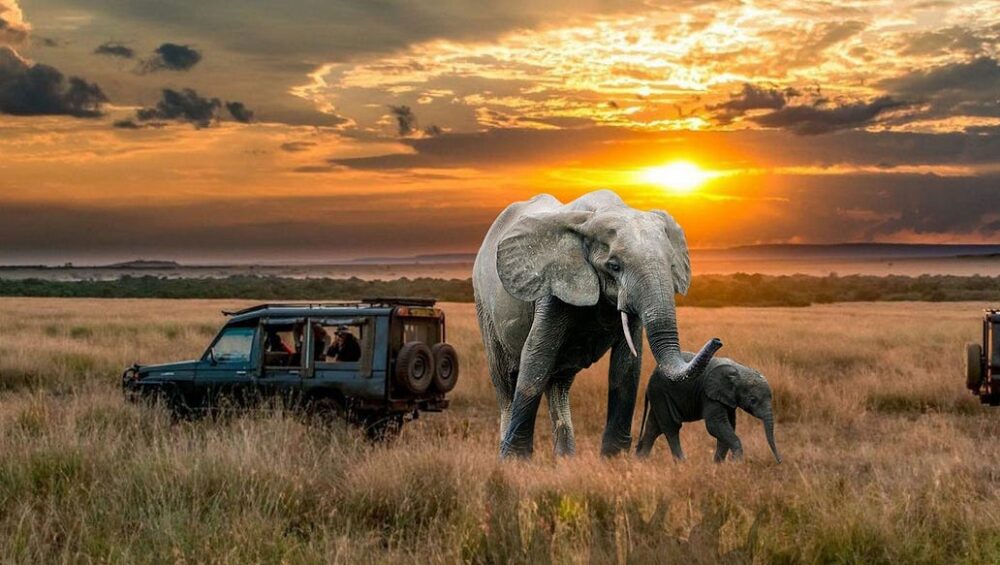
  • The Big Five Safari in Kenya’s Masai Mara or Uganda’s Queen Elizabeth National Park.

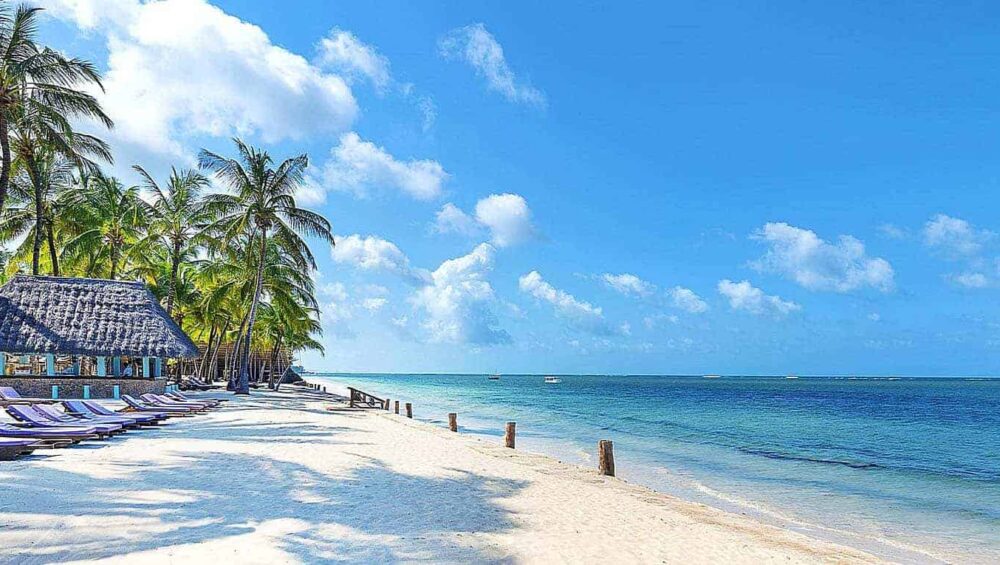
  • A Relaxing Beach Finish in Diani or Zanzibar.


Book Your Adventure with Orange Adventures

Ready to come face-to-face with the kings of the jungle? Let the experts handle the logistics, permit acquisition, and luxury transport. We are a Kenya-based agency with deep roots in the East African tourism circuit, ensuring you get the best local knowledge and competitive rates.

Contact Us Today

Orange Adventures – Crafting Journeys That Last a Lifetime.

Unforgettable Kenyan Excursions: Your Ultimate Guide to Adventure with Orange Adventures

Kenya is a land of breathtaking contrasts, where the rhythmic pulse of modern city life meets the timeless serenity of the wild. At Orange Adventures, we specialize in transforming your travel dreams into “Magical Life Experiences.” Whether you are looking for a quick day trip from Nairobi or an immersive coastal escape in Mombasa, our expert-led excursions are designed to show you the very heart of East Africa.

For inquiries and personalized bookings, reach out to us at +254 725 289 430 or email info@orangeadventures.co.ke.


Why Choose Kenya for Your Next Excursion?

Kenya offers a diversity found nowhere else on the continent. Within a single day, you can transition from the skyscrapers of Nairobi to the rugged terrain of the Great Rift Valley, or from the historic streets of Old Town Mombasa to the white sandy beaches of the Indian Ocean. Our excursions focus on:

  • Wildlife & Nature: Close encounters with the Big Five.

  • Culture & History: Exploring the rich Swahili and tribal heritage.

  • Adventure: Hiking, cycling, and boat safaris for the active traveler.


Top Nairobi Excursions: The City Under the Sun

Nairobi is the only city in the world with a National Park within its borders. Our Nairobi day tours are perfect for travelers on a layover or those looking to maximize their time in the capital.

1. Nairobi National Park & Giraffe Centre

Start your morning with a sunrise game drive in Nairobi National Park. Witness lions, rhinos, and buffaloes with the city skyline as your backdrop. Following the drive, we visit the Giraffe Centre, where you can get up close and even feed the endangered Rothschild giraffes.

2. David Sheldrick Elephant Orphanage

Experience the heartwarming work of the Sheldrick Wildlife Trust. This excursion allows you to see rescued baby elephants during their midday feeding and mud bath—a must-visit for families and animal lovers.

3. Cultural Immersion at Bomas of Kenya

For those interested in the 42+ tribes of Kenya, the Bomas of Kenya offers a spectacular display of traditional dances, music, and homesteads (Bomas), providing a deep dive into the country’s vibrant cultural fabric.


Adventure Excursions in the Great Rift Valley

Just a short drive from Nairobi lies the stunning Great Rift Valley, home to some of Kenya’s most scenic landscapes.

1. Hell’s Gate National Park: Cycling & Hiking

Unlike most parks, Hell’s Gate allows you to hike or cycle among zebras and giraffes. Explore the dramatic obsidian caves and towering cliffs that inspired the scenery for The Lion King.

2. Lake Naivasha Boat Safaris & Crescent Island

Relax on a boat ride across the freshwater Lake Naivasha, famous for its high concentration of hippos and birdlife. We often pair this with a walking safari on Crescent Island, where you can walk freely among herbivores like wildebeest and waterbucks.

3. Mount Longonot Hiking Challenge

For the fitness enthusiasts, a day trip to climb Mt. Longonot offers a rewarding challenge. The hike to the crater rim provides panoramic views of the Rift Valley floor and the sparkling waters of Lake Naivasha.


Coastal Gems: Mombasa and Diani Beach Excursions

The Kenyan coast is a blend of tropical relaxation and ancient history. Our coastal excursions ensure you don’t miss the soul of the Swahili coast.

1. Mombasa City & Fort Jesus Tour

Step back in time with a visit to Fort Jesus, a UNESCO World Heritage site built by the Portuguese in the 16th century. Wander through the narrow alleys of Mombasa Old Town, exploring the intricate carved doors and the aromatic spice markets.

2. Kisite-Mpunguti Marine Park & Wasini Island

Embark on a traditional dhow for a day of snorkeling in the crystal-clear waters of Kisite-Mpunguti. It is one of the best spots in Kenya to swim with dolphins and explore vibrant coral reefs before enjoying a Swahili seafood lunch on Wasini Island.


Specialized Experiences: Team Building & Content Creation

At Orange Adventures, we go beyond standard sightseeing. We offer:

  • Corporate Team Building: Customized packages to destinations like Sagana, Naivasha, and Elementaita to foster team synergy through outdoor challenges.

  • Content Creator Tours: Specifically designed itineraries for photographers and influencers to capture the most “Instagrammable” spots in Kenya, from the pink shores of Lake Nakuru to the hidden waterfalls of Embu.


Plan Your Journey with Orange Adventures

Our reputation is built on safety, expertise, and a passion for African travel. From airport transfers to luxury hotel bookings, we handle the logistics so you can focus on the adventure.

Contact Information

  • Mobile: +254 725 289 430 / +254 734 825 127

  • Email: info@orangeadventures.co.ke

  • Website: orangeadventures.co.ke

  • Physical Address: Railways Headquarters, House No. A, Workshop Road, Nairobi, Kenya.

Conquer the Peaks: The Ultimate Guide to Mountain Trekking in Kenya and Tanzania

From the snow-capped majesty of Mount Kilimanjaro to the jagged alpine spires of Mount Kenya, East Africa stands as the world’s premier destination for high-altitude adventure. Whether you are a first-time hiker looking to touch the sky at Uhuru Peak or a seasoned mountaineer seeking the technical challenge of Batian, Orange Adventures is your trusted gateway to the roof of Africa.

With over 15 years of expertise, we specialize in safe, affordable, and breathtaking trekking tours across Kenya and Tanzania.


Why Trek with Orange Adventures?

Choosing the right partner for your mountain expedition is the difference between a grueling ordeal and a life-changing triumph. At Orange Adventures, we prioritize:

  • Expert Local Guides: Our teams are certified in high-altitude first aid and possess deep knowledge of local flora, fauna, and geology.

  • Customized Itineraries: From 4-day express climbs to 11-day wildlife-trekking combos.

  • Proven Success Rates: We focus on proper acclimatization schedules to ensure you reach the summit safely.

  • All-Inclusive Logistics: We handle park fees, high-quality camping gear, nutritious mountain meals, and seamless transfers.


Mount Kilimanjaro: The Roof of Africa (5,895m)

Tanzania’s Mount Kilimanjaro is the highest free-standing mountain in the world. It is a “trekking mountain,” meaning no technical climbing gear is required—just grit, stamina, and a pair of sturdy boots.

Popular Kilimanjaro Routes

Pro Tip: For the best 2026 experience, we recommend the 7-day Machame route to give your body the time it needs to adjust to the thinning air.


Mount Kenya: The Rugged Masterpiece (5,199m)

While Kilimanjaro is famous for its height, Mount Kenya is beloved for its beauty. As Africa’s second-highest peak, it offers diverse ecosystems—from bamboo forests and moorlands to glacial tarns.

The Three Peaks of Mount Kenya

  1. Point Lenana (4,985m): The “hiker’s summit.” Accessible to anyone with good fitness.

  2. Nelion (5,188m): Requires technical rock climbing skills.

  3. Batian (5,199m): The true summit; a holy grail for advanced mountaineers.

Our Featured Mount Kenya Packages

  • 4-Day Sirimon Express: The most gradual and beginner-friendly ascent.

  • 5-Day Sirimon-Chogoria Traverse: Widely considered the most scenic route in Africa, ascending through dry ridges and descending through lush waterfalls and the Gorges Valley.

  • 11-Day Trek & Safari: Combine your climb with a world-class safari in the Maasai Mara.


Mount Meru: The Hidden Gem (4,566m)

Often overlooked, Mount Meru in Tanzania is an incredible trek in its own right and the perfect “warm-up” for Kilimanjaro. Located inside Arusha National Park, the first day of the trek is essentially a walking safari where you can spot giraffes, buffalo, and elephants.

  • Duration: 3-4 Days

  • Highlights: Stunning views of the Kilimanjaro cone from the summit and a dramatic walk along the crater rim.


Best Time to Trek in East Africa

Timing is everything. To ensure clear skies and stable paths, we recommend booking your tour during the dry seasons:

  • January to March: Clear mornings and crisp views.

  • June to October: The most popular window, coinciding with the Great Wildebeest Migration.


Preparing for Your Climb: A Quick Checklist

A successful trek starts long before you reach the park gate.

  1. Physical Training: Focus on cardiovascular endurance and leg strength (hiking, running, or stair climbing) 2–3 months before your trip.

  2. Mental Prep: High-altitude trekking is a mental game. Take it pole pole (slowly).

  3. Essential Gear: * Broken-in waterproof hiking boots.

    • Thermal base layers and a high-quality down jacket.

    • A sleeping bag rated for -15°C.

    • Trekking poles and a 35L daypack.


Book Your 2026 Adventure Today

Are you ready to stand above the clouds? Whether you want to witness the sunrise over the African plains from Uhuru Peak or explore the “Gates of Mist” on Mount Kenya, Orange Adventures is ready to take you there.

Contact Information

  • Website:

  • Phone/WhatsApp: +254 725 289 430

  • Email: info@orangeadventures.co.ke

  • Location: Nairobi, Kenya (Serving Kenya & Tanzania)

Affordable Adventure: Your Ultimate Guide to Budget Tours in Kenya with Orange Adventures

Kenya is a land of breathtaking contrasts, where the golden savannas of the Maasai Mara meet the turquoise waters of the Indian Ocean. For many, a “dream African safari” sounds like a luxury-only experience, but at Orange Adventures, we believe that the magic of the wild should be accessible to everyone.

If you are looking for budget tours in Kenya that don’t compromise on the quality of wildlife sightings or cultural immersion, you’ve come to the right place. From the iconic Big Five to hidden gems in the Rift Valley, here is how you can explore Kenya without breaking the bank.


Why Choose Budget Safaris in Kenya?

Traveling on a budget in Kenya doesn’t mean missing out. In fact, many budget-conscious travelers find they get closer to nature.

  • Authentic Camping: Stay in well-maintained tented camps that place you right in the heart of the wilderness.

  • Group Joining Safaris: Share the cost of transport and guiding with like-minded adventurers, making the cost of a Kenya safari significantly lower.

  • Seasonal Savings: Traveling during the “shoulder seasons” (April–June and November–December) offers lower rates and fewer crowds.


Top Budget-Friendly Destinations in Kenya for 2026

1. Maasai Mara National Reserve

The crown jewel of Kenyan tourism. While the Mara is home to luxury lodges, Orange Adventures specializes in budget Maasai Mara packages. You can witness the Great Migration and spot lions, leopards, and cheetahs while staying in affordable eco-camps just outside the reserve gates.

2. Amboseli National Park

Famous for its massive elephant herds and the stunning backdrop of Mount Kilimanjaro, Amboseli is highly accessible. Our budget tours here focus on sunrise game drives when the mountain views are clearest.

3. Lake Nakuru & Hell’s Gate (Naivasha)

For those short on time or funds, these parks offer the best “bang for your buck.” Hell’s Gate National Park is one of the few places where you can cycle among zebras and giraffes—an incredible, low-cost adventure.

4. The Kenyan Coast (Diani & Watamu)

After the dust of the savanna, unwind at the coast. We offer affordable beach packages that include snorkeling in marine parks and exploring the ancient ruins of Gede.


Our Featured Budget Packages

Package Title Duration Key Highlights
Maasai Mara Express 3 Days / 2 Nights Big Five sightings, Maasai village visit
Rift Valley Adventure 4 Days / 3 Nights Lake Nakuru flamingos & Hell’s Gate cycling
Amboseli Elephant Trail 3 Days / 2 Nights Views of Mt. Kilimanjaro & large elephant herds
Kenya Wildlife & Coast 7 Days / 6 Nights Safari + Diani Beach relaxation

How Orange Adventures Keeps Tours Affordable

We are a locally-owned destination management company based in Nairobi. Because we operate our own fleet of custom safari vans and have long-standing relationships with budget lodges, we cut out the “middleman” fees charged by international agencies.

What’s Included in Our Budget Packages:

  • Pickup and drop-off in Nairobi.

  • Professional, English-speaking driver-guides.

  • Customized safari vans with pop-up roofs for 360-degree viewing.

  • Full-board accommodation (Breakfast, Lunch, Dinner).

  • All park entrance fees and government taxes.

Discover the Magic of East Africa: The Ultimate Guide to Safaris with Orange Adventures

East Africa is a land of untamed beauty, where the rhythm of the wild meets the warmth of ancient cultures. From the snow-capped peaks of Mount Kilimanjaro to the endless golden plains of the Maasai Mara, this region offers the most iconic travel experiences on the planet. At Orange Adventure Tours and Safaris (OATS), we specialize in turning these dreams into lifelong memories.

Whether you are seeking a high-octane mountain trek, a romantic honeymoon getaway, or a family-friendly wildlife expedition, our decade of expertise ensures your journey is seamless, safe, and deeply immersive.


Why Choose Orange Adventures for Your East Africa Safari?

Since 2008, Orange Adventures has been a leader in destination management across Kenya, Tanzania, Uganda, and Rwanda. Based strategically in Nairobi, we offer a low-risk, high-reward approach to African travel. Our commitment to excellence is backed by:

  • Experienced On-the-Ground Teams: Our drivers, guides, and mountain crews have the geographical and cultural know-how to show you the “real” Africa.

  • Safety First: All our leaders are first-aid trained, and we maintain a first-class fleet of safari-customized vehicles.

  • Bespoke Itineraries: We understand that no two travelers are the same. From budget camping to luxury lodge circuits, we tailor every mile to your preference.


Top Destinations: The Jewels of East Africa

1. Kenya: The Heart of the Safari

Kenya is the birthplace of the safari. With Orange Adventures, you can explore the diverse ecological zones that make this country a top-five global bird-watching and wildlife destination.

  • Maasai Mara National Reserve: Famous for the “Big Five” and the awe-inspiring Great Wildebeest Migration.

  • Amboseli National Park: Capture postcard-perfect shots of giant elephant herds against the backdrop of Mt. Kilimanjaro.

  • Tsavo East & West: Discover the “Red Elephants” and the dramatic Mzima Springs.

  • The Rift Valley Lakes: From the flamingo-painted shores of Lake Nakuru to the boat safaris of Lake Naivasha.

2. Tanzania: Land of the Endless Plains

Tanzania offers some of the most dramatic landscapes in the world. Our specialized Tanzania packages take you deep into the northern circuit.

  • Serengeti National Park: Follow the migration across the vast savannahs.

  • Ngorongoro Crater: Visit the world’s largest inactive volcanic caldera, a natural sanctuary for over 25,000 large animals.

  • Zanzibar Island: After the dust of the safari, unwind on the powdery white sands of the “Spice Island.”

3. Uganda & Rwanda: The Primate Connection

For those seeking an emotional connection with nature, nothing beats coming eye-to-eye with the gentle giants of the forest.

  • Gorilla Trekking: We organize permits and logistics for Bwindi Impenetrable Forest (Uganda) and Volcanoes National Park (Rwanda).

  • Chimpanzee Safaris: Explore Kibale National Park, the primate capital of the world.

  • Murchison Falls: Witness the Nile River squeeze through a tiny gap to create the world’s most powerful waterfall.


Our Specialized Safari Themes

At Orange Adventures, we believe travel should be multi-dimensional. We offer several “themed” experiences to cater to your specific passions:

Adventure & Mountain Trekking

For the intrepid traveler, we offer guided treks up Mount Kilimanjaro via the Machame, Marangu, and Lemosho routes. We also facilitate expeditions to the glacial ridges of Mount Kenya and the “Mountains of the Moon” (Rwenzori).

Cultural & Heritage Tours

Meet the people who call this land home. Our cultural safaris allow for intimate interactions with the Maasai, Samburu, and other indigenous communities, respecting their traditions while fostering genuine connection.

Photography Safaris

Led by specialist nature photographers, these tours ensure you are in the right place at the right time—during the “golden hour”—to capture high-fidelity images of Africa’s predators and landscapes.

Bush & Beach Combinations

Why choose between adventure and relaxation? Our “Bush & Beach” packages allow you to spend a week tracking lions in the bush followed by a flight to the turquoise waters of Diani or Malindi for snorkeling and sunbathing.


Professional Services for Every Traveler

Orange Adventures is more than just a tour operator; we are a full-service travel partner. Our services include:

  • Airport Transfers & Shuttle Services: Reliable pickups from Jomo Kenyatta International Airport (NBO) and beyond.

  • Car Hire & Rental: Safari-ready vehicles for self-drive or chauffeur-driven needs.

  • Hotel & Train Bookings: Including the famous SGR “Madaraka Express” bookings.

  • Corporate Events: Specialized team-building and conference management in unique wilderness settings.


Sustainable Travel for a Better Future

We are proud to be world leaders in global tourism sustainability. By choosing Orange Adventures, you support low-impact tourism that prioritizes conservation and community empowerment. We ensure that the beauty of East Africa remains intact for generations to come.


Plan Your 2026 Adventure Today

The best time to book your East African safari is now. Whether you are looking for an 18-day multi-country expedition or a quick 2-day getaway to the Maasai Mara, our team is ready to assist.

Contact Information:

  • Website: orangeadventures.co.ke

  • Phone/WhatsApp: +254 725 289 430

  • Email: info@orangeadventures.co.ke

  • Office Location: Railways Headquarters, Workshop Road, Nairobi, Kenya.

Orange Adventures: Where Adventure Becomes Memory.

KIBERA SLUM TOUR EXCURSION

COST: KES 3000 per person. We will require a 40% deposit is due upon booking and balance payable on the day of the tour.
Don’t forget to check out our other exciting excursions / daytrips:https://www.orangeadventures.co.ke/index.php/excursions-in-Nairobi-Kenya

PREPARING FOR THE TOUR
You will receive detailed instructions in your confirmation email, but prepare with these tips:
• Wear covered shoes – sandals aren’t recommended as the walk is hilly and uneven
• Keep photos to a minimum, and always ask for permission first
• Leave passports, backpacks, purses, and large amounts of money at home
• Avoid flashy items such as SLR cameras, iPhones, or miscellaneous electronics
• Avoid brightly colored or exposing clothing
• Avoid giving out money, which furthers the perception that tourists = money
• Enjoy your time and keep an open mind!

WE ALSO, RECOMMEND SUPPORTING KIBERA IN THE FOLLOWING WAYS:
• Avoid donating cash – instead, consider supporting Kibera initiatives you visit by offering tangible goods such as food or supplies or through the purchase of products and services. This will ensure that the intent of your support is realized immediately. Examples of items for donation include children’s books, fruits, snacks, and other children’s essentials. School supplies such as pencils, pens, crayons, and notebooks.

•Consider supporting through volunteerism – several opportunities are available at the organizations we support, please email info@orangeadventures.co.ke to learn more.
Kibera is located in the southwest of Nairobi about 5 Kilometers (3.1 Miles from the city Centre)

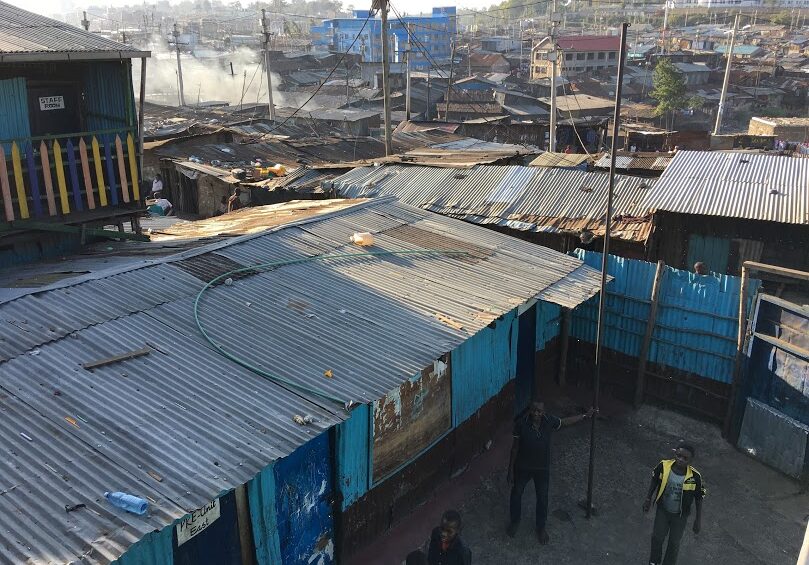
Orange Adventures Tours & Safaris in Nairobi takes you to Kibera in Nairobi, the friendliest slum in the world. Experience a part of Kenya which is unseen by most tourists.
Kibera Slum Excursion in Nairobi is an escorted tour that starts at 9 am from your residence/ hotel from the city Centre and goes through the Ngong road past Uchumi Supermarket, turn left just next to the Nakumatt Supermarket.
You will learn about Kibera’s Slum Land Ownership, Housing, Population, Electricity, Water, Sewage, Medical Facilities (HIV and AIDS) Clinics, Changaa-Cheap Alcoholic Brew, Drugs, Abortion, Unemployment, and Sport.
The tour starts by the DO headquarters through to Bombolulu stage where you start to descend into the three (3) kilometer Main Kibera slum road.
Visit the Soweto Village homesteads, and then continue to the Curio (handcrafts) The workshop where you will witness how those living in the Kibera slums are innovative in making ornaments out of animal bones.
Continue with visits of the Nursery schools and pass by to see the Water vender and the Shower shop as you meet other slum dwellers mingling with you as they carry on with their daily chores.
Turn right past the roadside fish mongers into the Biogas plant, the only one of its kind in Africa which will use human waste as its raw material in the production of Biogas which will be used as cooking gas as well as lighting about 200 households once it is accomplished and commissioned.
Proceed to the Baraka Za Ibrahim School which is a charitable school, run with the donations from well-wishers and caters for lower and upper levels of education starting from Nursery to Secondary level.
It has boarding facilities for few Orphaned boys and girls, a small kitchen and a laboratory not to mention a ramshackle over crowded staff room in the Centre of this tiny overcrowded institution.
Proceed to the other homesteads including those of the tour guides and security team members and witness their lifestyles in the slums. Pass by a popular pub within the slum for a drink, if you so wish, and pass over the bridge unto the Railway line.
You may be lucky to witness the train pass on the railway line amidst the tin-roofed houses with human beings and animals (goats, dogs, chickens crossing the railway line at the same time).
Cross the railway line into the Centre housing the sick and share your moment with these deserving mothers and children of the slum.

BECOME INSPIRED BY THEIR RESILIENCE AND FRIENDLINESS.
You will experience that the people of Kibera will certainly make you feel welcome. A security-guard, well-known in Kibera, will come on the tour to make you feel even safer.
NOTES:
* Price includes pick-up and drop off from your hotel to Kibera
* You can join the tour in the morning or in the afternoon. It will take about 2 to 3-hour walk
* Restricted-picture policy: Pictures are allowed at dedicated places after permission of the guides
* The local guides and safety guards are very well-known in Kibera and are even born and living in Kibera.

KIBERA SLUM EXCURSION NAIROBI HIGHLIGHTS
Visit an Orphanage/ School
An orphanage/school built by ‘mama Tunza’. Meet this impressive woman and look at her work in the children’s home.
Visit a Bead Factory
A bead factory: in Kibera, everything is being reused and so are also the bones from the butcher. See how these bones turn into beads.
Visit a Typical Kibera-House
A typical Kibera-house. Feel welcome in one of the houses in Kibera and ask your questions about the day-to-day live in Kibera.
The Biogas Center
The biogas center: a fantastic view over Kibera and picture-point. You can see that also human waste is not wasted here and much more…
By joining us you will support the people of Kibera. The tour provides local employment and the profits will be used directly for projects to improve the lives of the people of Kibera.

KIBERA SLUM EXCURSION NAIROBI ITINERARY
Our Kibera tour will start from Adams Arcade (Java Coffee House). This will include a short walk over the Toi-market, the biggest second-hand market in Nairobi.
We can also organize the transport to Kibera from your hotel and back at extra costs (depending on the number of people). You can join the tour in the morning or in the afternoon. It will take about 3 to 4 hours, including a 2-3 hour walk.
You’ll join the tour in a small group (Maximum 6 persons). Our guides and safety guards are very well-known in Kibera and are even born and living in Kibera. Restricted-picture policy: Pictures are allowed at dedicated places after permission of the guides. If you have wishes regarding places to visit, please feel free to ask us for a custom-made tour.

KIBERA SLUM NAIROBI INFORMATION
Kibera means “forest” is the largest slum in Nairobi, Kenya. Kibera Slum Nairobi is roughly the same size as New York City’s Central Park, about 1.5 square miles.
At over 1 million people, the population density in Kibera is 30 times that of New York City and Kibera doesn’t have multi-level housing. Most people living in Kibera have little or no access to basic necessities, such as electricity, clean water, toilet facility, and sewage disposal.
The combination of poor nutrition and lack of sanitation accounts for many illnesses and deaths in Kibera slum Nairobi. According to authorities, there are over 50,000 AIDS orphans surviving in Kibera slum Nairobi, often cared for by grandparents, over-crowded orphanages, or completely unattended.
For these and all children in Kibera, schooling is rare and dependent on the ebb and the flow of family finances, trapping them in a cycle of poverty.
Explore the unseen side of Nairobi through Kibera, Africa’s largest slum and home to over 1 million Kenyans, accounting for over 40 tribes and various religions that peacefully co-exist in the 2.5 sq. km. area. Recently visited by President Obama, PM Gordon Brown, and UN Sect General Ban Ki-Moon, Kibera is the subject of countless UN programs targeting poverty, health, infrastructure, and education. During the 2008 post-election violence, the community became an epicenter of activism, exacerbating political and tribal rifts in an otherwise peaceful area. The novel and 2005 film, The Constant Gardener, also popularized Kibera’s health and political issues.
“How are you,” are the common greetings from the children who are eager to meet the outsiders. Kibera is a fascinating place with raw eye-opening, yet encouraging experiences. With an opportunity to explore Kibera with our local native-born and bred in Kibera guides to understand the work within the community
We have offered hundreds of safe responsible tours since 2008
Explore Kibera Tours offers walking tours that cover major points of interest: the main commercial artery, open-air markets, the Kenya-Uganda Railway, a home visit, “the cow-bone jewelers,” local bead makers, the Kigulu orphanage, the UN upgrading projects, schools and places of worship.

WE ARE:
• Safe and experienced – Visit with a local. We employ trusted guides who are active in community service. We operate during daytime and within safe public areas. We have had ZERO incidents of injuries, harassment, or any complications.
• Orange Adventure Tours and Safaris – We specialize in Kibera tours vs. large external operators with only surface-level knowledge of the community.
• Responsible – We know what’s appropriate. We live and work in Kibera and will provide guidance around photos, donations, etc.
We are a responsible tour operator for open-minded travelers and benefit Kibera by employing knowledgeable local staff, supporting development projects, and bringing a stream of demand to local artisans. We also work with notable hotels, agencies, film production crews, media, and university researchers to provide best in class experiences.
SERVICES WE RECOMMEND
Mdawida Homestay
Mdawida Homestay can offer you a safe and enjoyable accommodation in Nairobi – in the safe and secure suburb of Langata, just a short distance from the city’s major highlights. The location makes for a superb base for traveling around Kenya! More details.
Our friends
By touring with OATS, you support these type of community projects:
Kigulu Orphanage is one of the many ad-hoc orphanages and schools in Kibera. Run by volunteers, Kigulu provides education and food for all those directly or indirectly affected by HIV/AIDS. EKT donates your school supplies and food to benefit 30+ kids.
Kibera Community Youth Program is a community- based organization (CBO) run by young people in the Kibera slum. Recent projects promoted by OATS have included a solar lamp training and assembly facility designed to reduce costs spent on charcoal for homeowners. Read more at www.kcyp.net.
Jitolee Women’s Group is a collective of local women artisans who design gorgeous bracelets, necklaces, bags, and other jewelry. Jitolee also acts as a support group for its single-mother members. Explore Kibera Tours bracelets (pictured left) are available for sale with all proceeds directly benefitting Jitolee Women’s Group.
The itinerary
Our tours start from a well-populated meeting point (near Royal Nairobi Golf Club), starting at 9 am or 2 pm daily (flexible upon request/availability) and last ~3 hours. Further details are emailed prior to the tour.
Tourist tip: A taxi from anywhere in Nairobi should cost you no more than KES 1200 to arrive at our meeting point.
By the end of the tour, you will understand the cultural, geographical, and political landscape. Our visits usually cover: the main commercial artery, open-air markets, the Kenya-Uganda Railway, a home visit, “the cow-bone jewelers,” local bead makers, the Kigulu orphanage (when open), the UN upgrading projects, KCYP youth center, Kibera Primary School (founded by Queen Elizabeth), the Lainisaba Catholic Church, the Makina Mosque.
Kibera slum Nairobi originated in 1920 as a soldiers’ settlement. The British colonial government of the time allowed them to squat on a hillside outside Nairobi. After Kenyan independence in 1963, however, various forms of housing were made illegal by the government, rendering Kibera unauthorized on the basis of land tenure. Diseases such as malaria, cholera, and typhoid afflict large proportions of Kibera residents.
These diseases are caused by a lack of sanitation facilities in the slum, and often in the case of communicable disease, sickness is spread across large portions of the populace. Sanitation in Kibera is non-existent, open sewers carrying fetid water are everywhere.
Cholera and Typhoid cases in Kibera are a direct result of the lack of proper sewage control and disposal. Both Cholera and Typhoid are very debilitating and can last for weeks at a time, and without treatment can cause death.
As residents of Kibera live in structures without any plumbing facilities, clean water must be accessed from pre-filled water tanks (AKA water points), which are often controlled by landlords, and expensive for residents to use. Since clean water is difficult to obtain, residents are often unable to wash their hands before preparing food or doing other things that can cause diseases to enter their bodies.
Malaria is a severe problem in Kibera, and is particularly damaging to the community because it often causes a person to be so sick that they are unable to work, which may precipitate the loss of a job or business revenue that is vital to their family’s survival.
Malaria is also especially deadly in children and the elderly. The Malaria parasite is transmitted from person to person through the bite of female mosquitoes, which requires blood to nurture her eggs.
There are at least 300 million acute cases of malaria each year globally, resulting in more than a million deaths. Around 90% of these deaths occur in Africa, mostly in young children. Malaria kills an African child every 30 seconds.
Many children who survive an episode of severe malaria may suffer from learning impairments or brain damage. Pregnant women and their unborn children are also particularly vulnerable to malaria, which is a major cause of prenatal mortality, low birth weight, and maternal anemia
One of the primary factors in Malaria spread in Kibera is ineffective wastewater drainage’s that runs through the slum. In many parts of Kibera, drainage’s are simply channels dug in the dirt, and they quickly become muddy and clogged with waste.
Residents use the drainage to remove wastewater and solids from their household area. As the drainages are simply made of dirt they do not flow very effectively; pools of water and waste form in these channels once they are clogged, and this is where mosquitoes lay their eggs.
As drainage’s collect waste, they also become breeding grounds for cholera and typhoid, as well as other diseases, and since these drainages are unprotected from human contact, transmission can occur very easily, especially in children who play nearby. (Above text courtesy of Kibera Slum Foundation)

How Tourism Is Helping Gorillas And Healing Communities In Rwanda

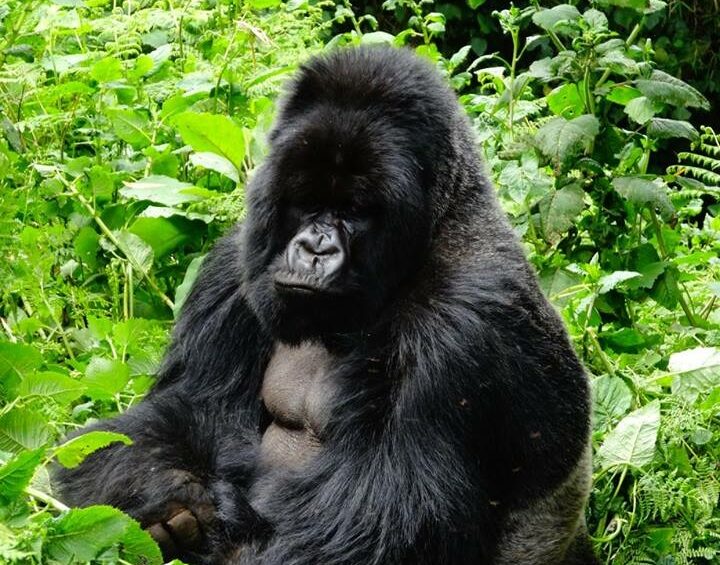
In the world of mountain gorilla conservation, every birth of a new born baby gorilla is a success. According to the 2011 gorilla census report, there are fewer than 900 mountain gorillas left in the whole world, and half of this remaining population is found in the volcanic mountains of the Virunga range shared by Uganda, Democratic Republic of Congo and Rwanda. The rest of the population is found in the impenetrable forests of Bwindi National Park located in south western Uganda.


Rwanda has about 10 habituated gorilla groups available for tourism purposes, and many tour operators in Kigali and Kampala offer a wide variety of gorilla safaris to Volcanoes National Park in Rwanda, making gorilla tourism the leading foreign exchange earner for the country. More importantly, tourism is aiding in wildlife conservation as well as helping to empower local communities. Here’s how:

Kwita Izina

Kwita Izina is an annual Rwandan ceremony that involves giving names to the newly born mountain gorillas of the region. The main objective of Kwita Izina is to assist in monitoring each individual mountain gorilla in their family groups. The ceremony also aims to bring attention both locally and internationally to the importance of protecting these gentle giants in their natural habitat.


Through this event, officials help to sensitise the local communities around Volcanoes National Park and beyond about the importance of gorilla tourism as a new hope for this endangered species.

The ceremony attracts many people from different parts of the world and on that day, all accommodation units around the gorilla park are always full. Kwita Izina 2016 recently took place at Kinigi in Musanze, and was attended by thousands of people. This year 22 gorillas were named, a huge step in helping to protect this species.

Gorilla Doctors

The Gorilla Doctors are a dedicated team of professionals tasked with looking after the well-being of the endangered mountain and eastern lowland gorillas in Rwanda and DRC respectively. It is another support team for gorilla tourism, and a new hope for Rwanda’s gorillas. The many duties of the Gorilla Doctors include:

-Monitoring the health of each gorilla and helping to detect any disease or injury.

-Providing treatment to any ill gorilla in the wild.

-Rescuing and providing veterinary care to injured and orphaned gorillas by poachers.


-Conducting post-mortem reports of deceased gorillas to find out the cause of their death and learn how to prevent it.

-Preserving biological samples (for example; blood, feces) to be used by researchers investigating primate health issues around the world.

-Offering preventative healthcare to the dedicated park employees who protect the gorillas in the forest, the local community surrounding the gorilla park and their livestock as a strategy to reduce the risk of disease transmission from humans to gorillas.

Gorilla Doctors work hand in hand with the wildlife authorities in Rwanda and Uganda and with international conservation organisations such as International Gorilla Conservation Programme (IGCP) and Dian Fossey Gorilla Fund International.

Employment opportunities

Gorilla tourism creates employment opportunities for local communities around the gorilla parks including ex-poachers. For instance, people are employed in the park as rangers, park guides, wardens and porters. Others are employed in the hotel sector as waiters, lodge managers, security guards or chefs.

Furthermore, the hotels and lodges near gorilla parks create a market for local agricultural products such as vegetables, bananas, milk, and cattle. This again helps to create local awareness about the importance of gorilla tourism.

Iby’Iwacu Cultural Village

This is a non-profit umbrella organsation with the main objective of improving the lives of reformed poachers and communities around Volcanoes National Park Rwanda as a way to conserve the mountain gorillas and their natural habitat. This is done through the provision of conservation incentives, supporting community enterprise development and livelihood based projects.

Zanzibar Destination Holidays

Zanzibar holidays have been known to leave travelers with enchanting memories. Sun, sand, spice and vivid history are the essence of this charming destination.

Traditional dhows can be seen sailing to and from Pemba, Dar es Salaam, Tanga and Mombasa and even though foreigners are not welcome aboard, looking at these vessels is incredibly therapeutic.

This world’s oldest functioning Swahili city has more than 25 beaches some of which are so remote and serene that the only thing you’ll hear is the splashing of the turquoise waters.

Roads are mostly fringed with palm trees, banana and mangroves and fishing villages are often found.

Zanzibar is derived from the Persian word Zang bar which translates to ‘black coast’ which references the dark skin of the Zanzibari.

It was initially a base for African, Indian and Arabian traders who traded in slaves and spices. For centuries, it was fought over by the Portuguese, Omani, British and Persians.

Zanzibar was ruled by the Sultanate of Oman for years and as a result, the area is almost entirely inhabited by Muslims. It is therefore not a gay-friendly destination, so be cautious.

Spice growing forms a major part of Zanzibar’s economy and has been fondly referred to as Spice Island. Today, tourism has overshadowed spice trading as a main form of income but Zanzibar continues to enthral its visitors with its rustic charm.

Must see

Zanzibar red colobus monkey, Servaline genet, Zanzibar leopard, Bush pigs, Sykes monkeys, Aldabra tortoise, Ancient Stone Town, Magnificent beaches, Princess Salme Museum, Darajani Market, Maruhubi Palace, Mbweni Ruins, Dhow building at Nungwi Prison Island, Native sea turtles at Mnarani, Marine Turtle Conservation Pond, Spice plantations outside Zanzibar town, Jozani Forest, Ras Nungwi fishing village, Bottle-nosed dolphins at Kizimkazi fishing village, Kizimkazi mosque Creeper and entwined Shirazi ruins

Must do

Snorkeling at Chumbe Island,Scuba diving, Deep sea fishing, Kayaking, Sail in a traditional dhow, Get lost in Stone Town, Revel in a beach disco at Nungwi and Kendwa, Swim with dolphins at Fumba or Kizimkazi, Sample Indian and Swahili cuisine, Grab a mug of spicy chai on the side of the road, Visit Old Dispensary, Visit the House of Wonders, Visit the Hamamni Persian public baths, Have lunch at Forodhani Gardens, Watch a kaleidoscope of butterflies at Zanzibar Butterfly Center, Take a spice plantation tour, Indulge in a soothing body scrub with local spices at Mvua African Rain Spa and Visit Fumba traditional village.


Where to stay when at Zanzibar

Ocean Beach Resort, Uroa Bay Beach Hotel, White Sand Villas, Zanzibar Lodge, Zanzibar Serena, Fumba Beach Lodge, Twisted Palms Lodge, Bahari View Lodge, Mermaids Cove Beach Resort & Spa, Hideaway of Nungwi Resort & Spa,Matemwe Lodge, Blue Earth Beach Bungalow, Zeru Zeru Eco Local Wild Lodge, Zanzi Resort, Reef Beach Resort and Paradise Beach Resort.

When to schedule Zanzibar holidays

Zanzibar’s long rainy season lasts from March to May. During this time, many hotels are closed and beach time is almost impossible thanks to the monsoons that hit the island.

Short rains occur from November to December but are less intense and always make way for clear skies. The island is busiest from July to October and from December to January.

Mid-January to March is fairly quiet although the heat is too much. The best time to schedule Zanzibar holidays would be late June to July and September to October.

You can get to Zanzibar Island by:

Sea:

You can take the high-speed ferry from Zanzibar to Dar es Salaam and vice versa (which takes 2 hours) and from Zanzibar to Pemba and vice versa. This trip takes 6 hours. All ferries arrive at the passenger ferry terminal gate on Mzingani road. Ferry tickets can be purchased at the passenger ferry terminal or through travel agents in Zanzibar town. There are also boats to choose from and every provider has different charges depending on the speed and make of their vessel. Modern and fast boats tend to be more expensive. High-speed boats take 2 hours.

Air:  This is the most feasible mode of transport to get to Zanzibar Island. Book a short hop flight from Dar es Salaam (There are daily flights to this destination). International flights are however less time consuming and more comfortable. A flight from Arusha will take about 75 minutes. If you’re travelling from Europe, you will probably fly via Nairobi or mainland Tanzania which might be very helpful if you’re planning to merge you Zanzibar holidays with a little safari.

Road: Self-drive within Zanzibar town is rare because most vehicles come with a driver even when you rent one. You will pay for the car, driver and fuel on a daily basis. Alternatively, you can get a 4 seater or 6 seater taxi to carry you and your fellow touring friends to destinations in Zanzibar such as Stone town, Nungwi and Paje. You can then share trip costs with other passengers.

What to pack for Zanzibar holidays

Beachwear

Sunglasses

Sunhat

SandalsFlip flops

Sunscreen

Smart casual clothing for evenings

Camera

Shorts

Beach dresses

Anti-malarial drugs


If Spice Island is on your wish list, check out the Zanzibar Holidays available or call an agent to

Car Hire, Rentals, Transfers & Taxi Services

In the business of providing travel solutions through a wide choice of good cars for hire that best suit all travel needs.

Our Policy

Orange Adventures Tours & Safaris has a flexible car  hire policy that is simple and convenient to all our clients. First, the client makes request for reservation at least two days prior . Upon confirmation by our car hire team, a reservation is made in the clients name. You will be required to make a deposit before picking the car. However, the company reserves the right to cancel a booking  upon assessment of the hirer in light of the high risk involved in this business and safety of the customers. Self drive car hire will not be allowed to persons under 23 years and  over 70 years.

Requirements:   

1. A copy and original driving license.

2. A copy and original identification material.

3. Completed rental agreement.

4. Cash deposit.

Our Offer:

We are a car rental specialist known for providing low cost Kenya car hire deals through a wide network of leading suppliers in Kenya. With competitive rental prices, diverse car collection and many number of pick up locations in Nairobi, we let you enjoy your stay in Kenya as as per your schedule and itinerary.

With a fine selection of multipurpose vehicles for 5, 7, 9 passengers up to 25 X seated bus hire to choose from, complete your holiday with a  car hire  today.

Sedan/ Saloon cars:

maximum capacity 5 passengers

Engine capacity 1,500 – 2,000 cc

Average consumption 18 – 20 km/L

Self drive availability Limited   yes    no

Chauffeur driven arrangements Limited   yes    no

Long term leasing facilitation yes   no

Best for family holidays, picknicks over the weekend, back up when your car is not available, international expatriate seeking mobility and start up and SMEs seeking to outsource their travel department. Our rate per day up to the 29th day of hire is KSHs 3,500 (PLUS VAT.) per day; monthly rate of KSH 90,000 (PLUS VAT ). Selection include: Toyota Allion, Toyota NZE, Subaru impreza

Request your reservation: sales@orangeadventures.co.ke or call +254 725289430 or 254 734825127


SUVs

Maximum capacity 5-7 passengers

Engine Capacity 2,000 – 2,400 cc

Average Consumption 8 – 12 km/L

Self drive Limited   yes   No

Chauffeur driven arrangements Limited   yes   no

Long term leasing yes   no

Ladies love, four wheel drive sport utility vehicle. Best for picknicks into rough terrain parks, family holidays and for long term leasing by chauffeur driven executives. Daily rate up to the 29th day of hire is KSH 6,500 per day; monthly rate of KSH 180,000 (VAT incl).


Request your reservation: sales@orangeadventures.co.ke or call +254 725289430 or Elisha +254 725289430 Selection Includes: Toyota Rav 4, Suzuki Vitara, Nissan Xtrail

Luxury Cruisers

Reservations restricted to chauffeur driven purposes.

Request your reservation:  sales@orangeadventures.co.ke or call +254 725289430 or Elisha +254 725289430


Selection includes: Land Cruiser Prado, Mercedes Benz, Range Rover and Limousines. Best for wedding ceremonies, executive travels; daily rates from  KSH 15,000 per day (VAT exclu)

Dining Etiquette

Dining etiquette is one of the most important all time etiquette, as eating is very essential to humans existence.
What differentiates us from animals while eating is simply our manners.
We want to eat and have others eat in a manner that is adorable, therefore dining etiquette is very important for both children and adults.
Arrive at the table on time. “A hungry man is an angry man” you don’t want to keep anyone waiting at the dining.
If you are a guest in someone’s home, remember to bring the host or hostess gift(s) that can be enjoyed later e.g. a bottle of wine, nuts etc. Don’t expect that it must be used as a part of the meal as your host may already have a plan. It just shows a sense of responsibility to bring along something.
Your appearance shouldn’t be a turn off for anyone so ensure you look neat and tidy.
After you are seated, your napkin should be removed from the table and placed across your lap. This is the first thing you should do upon being seated.
You have to wait for your host/hostess to begin eating before you start except the host/hostess ask you to continue without them. Nevertheless, it’s better to wait.
It’s important to understand table setting though they differ based on country, formality, e.t.c., there are still basic settings.
Use your cutlery correctly;
Handle the cutlery firmly holding the fork in your left hand such that the prongs of the fork are facing downwards. While holding a fork, you should keep your index finger straight while the other fingers fold around its handle.
The knife must be in you right hand to enable easy cutting of the food. The fork is held horizontally between the thumb and the index finger to provide an ample support for eating properly.
Ensure that you don’t keep the fork on the table in the intervals during eating; keep it at the side of your plate with the prongs pointing upwards.
If you are having tea, don’t put the tea spoon in your mouth, the teaspoon is basically for you to stir your tea with,  neither should you put your bread knife or any of the knives in your mouth.
Don’t make sandwitches on the table. Imagine a typical English breakfast where your’re served toast bread,  omelette,  tea,  sausage,  etc.  Just cut your bread in little mouth bites and eat.
Don’t eat with your hands unless it’s finger food like puff puff, samosa, etc.
If you’re eating meals like garri and the likes take a cue from the host if you’d rather eat with your hands. A host that’ll tolerate the use of hands will typically give you the option of water to wash your hands.
Remember to maintain good posture.
It is perfectly acceptable for you to rest your forearms on the edge of the table as long as you don’t tip the table. During the meal you can rest your passive hand across your lap.
While eating during the meal always remember to chew with your mouth closed to avoid irritating others with the sight of your partially chewed food.
Never! put your arm across others food, also don’t stretch across for anything you need, ask the person closest to pass it to you.
If someone asks for the salt, pass both salt and pepper at once.
Don’t add salt or any spice to the food without first of all tasting it even if you love your food spicy.  It would show you don’t trust the cook.
“Don’t talk while eating” this simply means “Don’t talk with food in your mouth” it’s not practical to avoid small talks while dining as even many business meetings are held at meal times. However it’s okay to talk but in an orderly, moderate manner. If someone has asked you a question, gesture that you will answer in a moment by raising your hand or finger, signalling that you’ve heard them, then
wait until you have finished chewing and swallowing your bite before you speak.
Avoid controversial topics, you don’t want to be the reason someone lost their appetite.
Endeavor to avoid disruptive behavior such as burping, snorting or singing,  neither should you call attention to the rudeness of others. If a person brings up a topic that is controversial or simply inappropriate at the dining table, simply change the subject to something more appropriate. The rude person will probably get the message.
It’s important to complement your host’s/hostess’s effort, even if you happen not to like the food or it wasn’t as tasty.
Never say someone’s food isn’t nice.
If the host or hostess asks how the meal was, say you enjoyed it.
Ensure the meal isn’t interrupted by your cellphone, you may switch it off or put in silent mode.
It’s rude to get up and leave the table while  others are still eating, you should remain seated if possible. If you need to get up for any reason, you should take permission to be excused. This is a courtesy request from both children and adults as well.
When picking your teeth after a meal,  it’s proper to cover your mouth with your left hand while holding your toothpick on the right hand to avoid spitting particles on others. Always use a toothpick not your hand or tongue.
Always show gratitude by thanking your host at the end meal.
In an informal setting, offer to help your host or hostess, by way of clearing the table or other cleaning tasks as needed. It is rude to eat and run, leaving the host with all the mess.
Always send a thank you note after you’ve left to let your host or hostess know you really appreciated being hosted.
Thank you for reading, I hope you’ve learnt a thing or two.
Etienying Akpanusong.